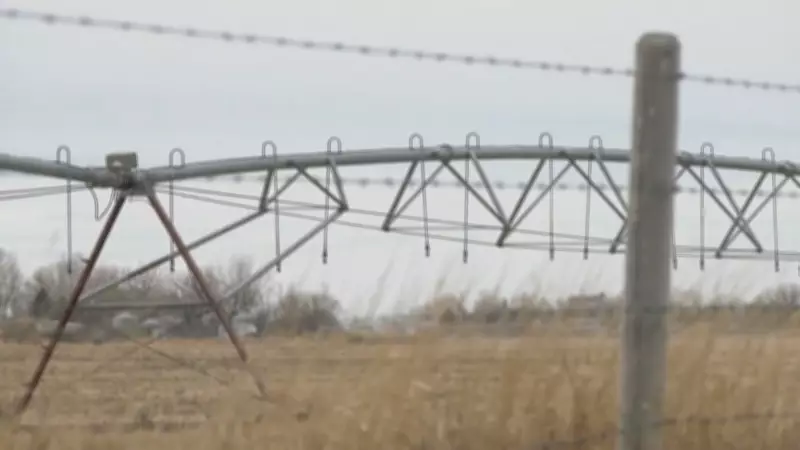
Iran Conflict Sparks Global Fertilizer Price Surge, Hitting Alberta Farmers Hard
The ongoing military conflict in Iran is creating significant economic ripples that are being felt thousands of miles away in the farmlands of southern Alberta. What began as a regional geopolitical crisis is now translating into tangible financial pressure for Canadian agricultural producers through sharply increased fertilizer costs.
Direct Impact on Farming Operations
Fertilizer prices have experienced a dramatic spike since hostilities escalated in the Middle Eastern nation, which plays a crucial role in global fertilizer production and distribution. This price increase comes at a particularly challenging time for Alberta farmers who are preparing for the spring planting season and calculating their operational budgets.
"The timing couldn't be worse," explained one southern Alberta grain farmer who requested anonymity. "We're looking at input costs that are 30 to 40 percent higher than last year, and that's before we've even put a single seed in the ground."

Broader Economic Consequences
The fertilizer price surge represents more than just an agricultural concern. Economists warn that increased production costs for farmers will inevitably translate to higher prices at grocery stores across Canada. This development threatens to exacerbate existing food inflation that has been challenging household budgets for months.
"When you disrupt the global fertilizer supply chain, you're essentially disrupting the foundation of modern agriculture," noted Dr. Amanda Chen, an agricultural economist at the University of Alberta. "The effects cascade through the entire food production system, from field to table."
Global Supply Chain Disruptions
Iran's position as a significant producer of phosphate and potash-based fertilizers means that conflict-related disruptions have immediate global consequences. Shipping routes through the Persian Gulf have become increasingly uncertain, while production facilities in the region face operational challenges.
The situation has been further complicated by:
- Increased insurance premiums for cargo ships traveling through conflict zones
- Reduced production capacity at Iranian fertilizer plants
- Global market speculation driving prices beyond actual supply constraints
- Alternative suppliers struggling to meet increased demand
Alberta's Agricultural Response
Farmers across southern Alberta are now forced to make difficult decisions about their upcoming growing season. Some are considering reducing fertilizer application rates, which could potentially lower crop yields. Others are exploring alternative nutrient sources or adjusting their crop rotations to include less fertilizer-dependent plants.
"We're looking at every possible way to manage these increased costs," said Mark Thompson, president of the Southern Alberta Agricultural Association. "But there are no easy solutions when a key input suddenly becomes significantly more expensive."
Long-Term Implications
Agricultural experts suggest that the fertilizer price crisis may have lasting effects on Canada's farming sector. The increased costs could accelerate consolidation in the industry as smaller operations struggle to absorb the financial pressure. Additionally, the situation may prompt renewed interest in sustainable farming practices that reduce dependence on synthetic fertilizers.
As the conflict in Iran continues with no immediate resolution in sight, Alberta farmers face an uncertain growing season ahead, with the knowledge that decisions made in distant geopolitical arenas are having direct consequences for their livelihoods and Canada's food security.