

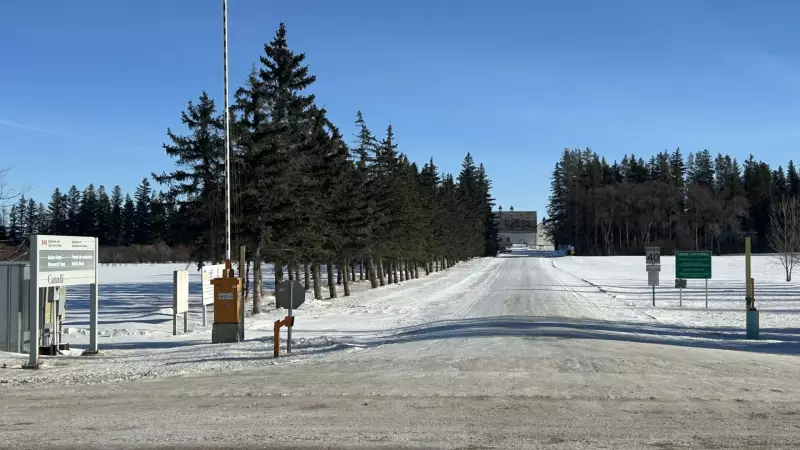
Regina's Indian Head Community Mobilizes Against Federal Agriculture Research Station Closure
The federal government has announced the closure of several agriculture research centres across Canada, including facilities in Indian Head and Scott, Saskatchewan. This decision has ignited significant concern and opposition within the local farming community and among agricultural stakeholders in the Regina region.
Impact on Agricultural Innovation in Saskatchewan
The research station in Indian Head has long served as a crucial hub for developing and testing farming techniques, crop varieties, and sustainable practices tailored to the unique conditions of the Prairies. Its potential shutdown threatens to disrupt ongoing research projects that directly benefit local farmers, potentially slowing innovation in areas such as soil health, drought-resistant crops, and efficient resource management.
Local advocates argue that these centres are essential for maintaining Canada's competitive edge in global agriculture markets, particularly as climate change and economic pressures intensify. The closure could lead to a loss of specialized jobs and expertise in rural Saskatchewan, further straining communities already facing demographic and economic challenges.

Broader Context of Federal Cutbacks
This move is part of a broader pattern of federal cutbacks to agricultural research infrastructure, raising questions about the long-term commitment to supporting the farming sector. Critics contend that reducing investment in agricultural science undermines food security and the sustainability of rural economies.
"The research conducted at these stations is not just academic; it has real-world applications that help farmers improve yields, reduce environmental impact, and adapt to changing conditions," noted one agricultural expert familiar with the stations' work.
Community Response and Future Implications
Residents and agricultural organizations in Indian Head are actively organizing to oppose the closure, highlighting the station's role in local history and its economic importance. They are calling for reconsideration of the decision, emphasizing the need for continued federal support for agricultural research in the region.
The outcome of this dispute may set a precedent for other rural communities facing similar federal cutbacks, making it a critical issue for Saskatchewan's agricultural future.






