Handyman Steve Maxwell provides practical advice for home improvement projects, focusing on insulation and deck maintenance. In his latest column, he addresses common homeowner questions with expert insights.
Blown-In Blanket Wall Insulation
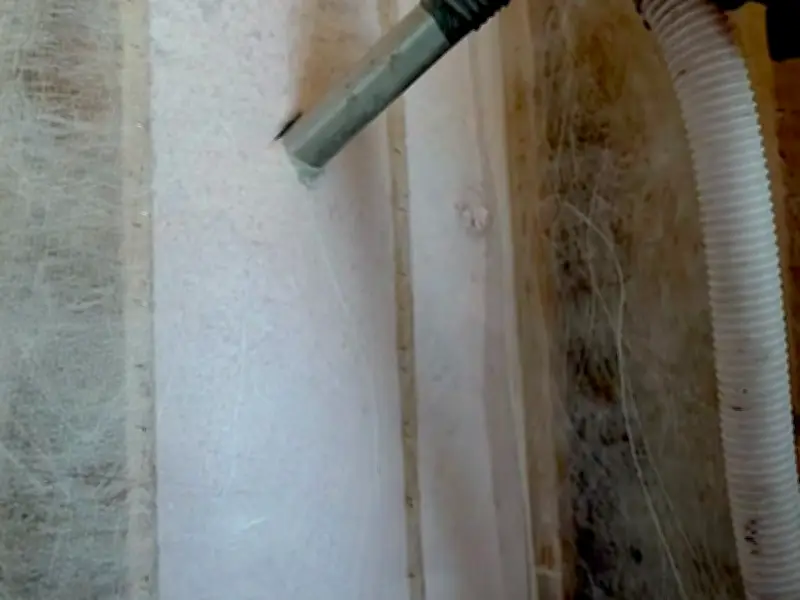
A reader considering a major renovation asks about blown-in blanket insulation systems (BIBS) versus traditional batt insulation, especially in walls filled with wires. Maxwell explains that BIBS involves blowing loose fibres into wall and ceiling cavities behind netting, with drywall applied over top. He prefers this method to batts because it fills nooks and crannies better and is faster. However, he notes that spray foam delivers the best results overall due to its stable insulation values and superior air sealing. The main drawback of spray foam is its high cost.
Maxwell suggests a cost-effective combination: applying an inch of spray foam against the inside face of the wall sheathing for air sealing, then using BIBS over that. This approach balances performance and expense. He also highlights the issue of thermal bridging through wooden wall framing, which makes up 10 to 15 percent of the wall area and offers only R1 per inch. For 2x6 framing, this means just R5.5 over that area; for 2x4 framing, it drops to R3.5. To mitigate this, he recommends installing extruded polystyrene foam on the inside of the wall framing after all intra-wall insulation work is done, then drywalling over the foam. This sandwich method works effectively. He advises using drywall screws long enough to penetrate the foam (1.5 to 2 inches) and into the wall studs (1.25 to 2 inches). Maxwell shares that he used deck screws for his own home in 1990, and they have held up perfectly.

Non-Peeling Deck Finishes
A reader with a 26-year-old cedar deck seeks an oil finish alternative to avoid peeling. Maxwell notes that any deck finish forming a surface film will eventually peel, and exterior oil is a no-film option. Oil maintains the look of fresh lumber for a while but gradually turns grey over several years, even with annual reapplication. He introduces Ecowood Treatment, a powder mixed with water and sprayed on bare wood. This one-shot treatment develops colour over several months through chemical reaction, resulting in an even grey, weathered appearance. While this is the least work among exterior wood finishes, the weathered look may not suit everyone. Maxwell concludes that homeowners must choose the drawback they dislike the least.