

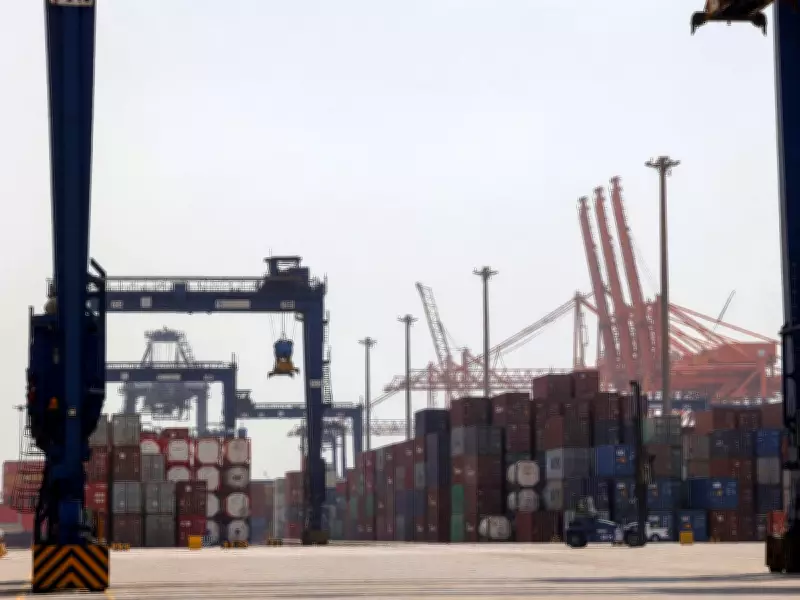
Bjorn Lomborg argues that the blockade of the Strait of Hormuz underscores the critical importance of fertilizers for global food supply. A quarter of the world's fertilizer passes through this strategic waterway, and the disruption threatens to increase food insecurity for tens of millions of the world's poorest people.
The role of fossil fuels in food production
Climate campaigners have long claimed that food supply is under grave threat from climate change caused by excessive fossil fuel use. However, the Middle East conflict reveals that the more immediate challenge is ensuring access to fossil fuels for fertilizer production. Half of all calories consumed globally depend on artificial fertilizers, which are primarily made from natural gas. Without fossil fuels, half of humanity would face severe food shortages.
Impact of the Hormuz blockade
The blockade is not only driving up global energy prices but also holding back fertilizer shipments. The UN estimates that fertilizer prices could rise by 15-20 percent, pushing at least 45 million more people into acute hunger. This crisis highlights the vulnerability of global food systems to disruptions in fossil fuel supply.

Historical progress in food security
Despite these challenges, humanity has made remarkable progress in reducing hunger. In 1928, more than two-thirds of the world's population suffered constant hunger. Today, fewer than one in ten people go hungry, a rate that dipped below seven percent before recent disruptions like COVID-19 and the Ukraine war. This progress is due to agricultural innovation and economic growth, which have quintupled cereal production since 1926 and halved global food prices in real terms.
Future outlook and concerns
The UN's April forecast predicts another record-breaking global harvest for 2025-26 from crops planted before the crisis. However, concerns remain for the next season, and about 670 million people still suffer from food insecurity. In sub-Saharan Africa, poor yields and lack of fertilizer, pesticides, and mechanization are major barriers that can be overcome with continued innovation and investment.






