

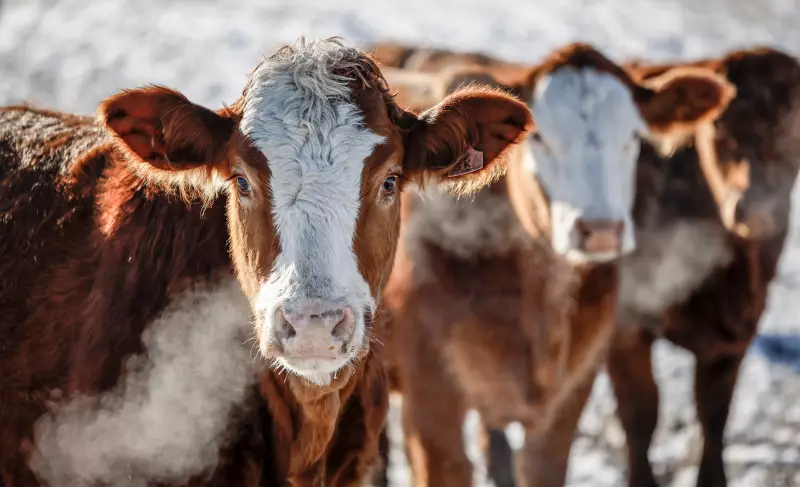
Canadian consumers hoping for relief at the meat counter are stuck in a frustrating holding pattern, according to a leading agricultural economist. Despite growing cattle numbers across the country, the price of beef remains stubbornly high, squeezing household budgets.
The Expert's Analysis: A Complex Supply Chain Delay
Mike von Massow, a professor at the University of Guelph, explained the situation to CTV's Your Morning on December 17, 2025. He described the current market dynamic as "a waiting game" for shoppers. The core issue lies in the lengthy biological and production cycle of beef cattle.
While herd numbers are indeed recovering from previous droughts and herd reductions, it takes significant time for that increase to translate into more steak and ground beef on supermarket shelves. Raising a calf to slaughter weight typically takes 18 to 24 months. This means decisions made by ranchers years ago are only now beginning to impact the overall supply.

Multiple Factors Keeping Costs Elevated
Professor von Massow highlighted that the supply chain is not the only pressure point. Several other factors are contributing to sustained high prices:
- Persistent high production costs: Expenses for feed, fuel, and labor throughout the supply chain remain elevated.
- Processing capacity: Bottlenecks at packing plants can limit the flow of meat to market, even with more cattle available.
- Strong consumer demand: Despite higher prices, demand for beef has remained relatively resilient, preventing a significant price drop.
This combination creates a scenario where increased cattle inventories have not yet broken the inflationary cycle for beef products. The situation underscores the complexity of the agricultural food system, where changes on the farm take years to affect the consumer's grocery bill.
What This Means for Canadian Shoppers
The ongoing high cost of beef is a tangible component of the broader affordability challenges facing Canadians. As families plan their meals and budgets, premium proteins like beef may remain out of reach for some. Experts suggest that relief, while coming, will be gradual.
The lag in the system means consumers may not see a meaningful and sustained drop in beef prices until later in 2026, as the current larger calf crops work their way through the production pipeline. Until then, the professor's advice rings true: it remains a waiting game for cost-conscious Canadians at the meat counter.






