

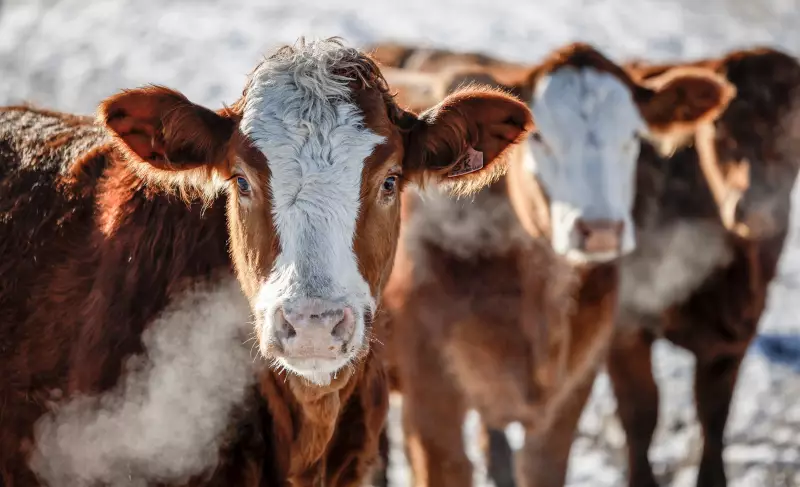
Canadian consumers hoping for relief at the meat counter will need to play a 'waiting game' as the national cattle herd rebuilds, but stubbornly high beef prices are likely to persist in the meantime, according to a leading agricultural economist.
Supply Chain Pressures Keep Prices Elevated
Professor Mike von Massow from the University of Guelph explained to CTV Your Morning that multiple factors are contributing to the sustained high cost of beef across the country. While herd numbers are beginning to recover from significant declines driven by severe drought conditions in recent years, the supply chain cannot respond instantly.
'It takes time to regrow a herd,' von Massow noted, emphasizing the biological and economic timelines involved. Farmers who reduced their herds due to lack of feed and high input costs are now cautiously rebuilding, a process that spans years from breeding to bringing cattle to market weight.

The Long Road from Pasture to Plate
The professor outlined the core issue: even as more calves are born, the pipeline to the grocery store is long. The effects of a larger herd will not translate into significantly greater beef supplies for consumers until those animals mature. This delay means the supply constraint, a key driver of high prices, will continue for the foreseeable future.
Compounding the supply issue are other inflationary pressures within the food system. Persistently high costs for fuel, transportation, and labor continue to add to the final price tag of beef products, squeezing household budgets.
What This Means for Canadian Shoppers
For Canadians, the situation translates into continued pressure on grocery bills, with beef remaining a premium protein choice. Von Massow's analysis suggests that patience is required, as market corrections follow the slow rhythm of agricultural cycles, not instant retail adjustments.
The interview, which aired on December 17, 2025, highlights a key example of how broader environmental and economic challenges manifest in everyday affordability issues. Consumers may need to adapt their shopping habits or explore alternative protein sources while the cattle industry works to stabilize its supply.






