

Growing Food to Save Money on Groceries: Does It Work?
With inflation continuing to squeeze household budgets, many Canadians are exploring creative ways to reduce their grocery bills. One increasingly popular strategy is growing food at home, from backyard gardens to balcony containers. But does this approach actually save money, or is it more of a hobby with hidden costs?
The Rising Cost of Food and the Gardening Solution
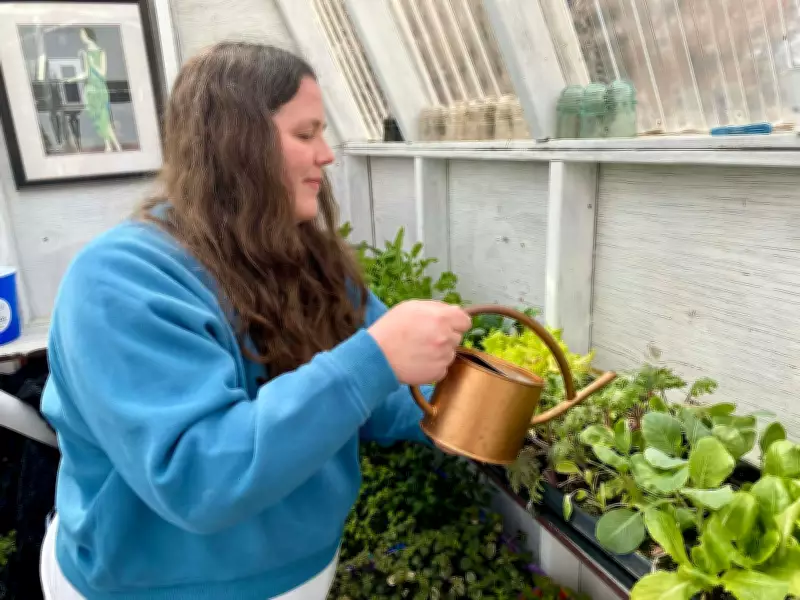
Food prices have been climbing steadily, pushing families to seek alternatives to traditional grocery shopping. Home gardening offers the promise of fresh, organic produce at a fraction of the store price. Kristen Raney, an Ontario resident, exemplifies this trend, carefully tending to vegetables she started from seeds earlier this year. Her efforts highlight a growing movement toward self-sufficiency in the face of economic pressure.
Calculating the True Cost of Homegrown Produce
While the idea of free vegetables is appealing, the reality involves upfront investments. Seeds, soil, containers, tools, and water can add up, especially for beginners. However, experts note that over time, these costs can be offset by the yield. For example, a single tomato plant might produce pounds of fruit over a season, compared to buying tomatoes weekly. The key is planning and starting small to avoid overspending.

- Begin with easy-to-grow vegetables like lettuce, herbs, or radishes that have quick harvest times.
- Use recycled containers or community garden plots to minimize initial expenses.
- Save seeds from one season to the next to reduce ongoing costs.
Beyond Savings: Additional Benefits of Growing Your Own Food
Monetary savings are just one aspect. Home gardening also promotes healthier eating, reduces food waste, and provides a therapeutic outdoor activity. In urban areas, initiatives like community gardens foster social connections and environmental awareness. As climate change and supply chain issues threaten food security, growing food locally adds a layer of resilience.
"It's not just about the money," says a gardening enthusiast from British Columbia. "There's a satisfaction in eating something you've nurtured from seed to plate, and it connects you to the seasons in a way that shopping never does."Challenges and Considerations
Not everyone has the space or time for gardening. Apartment dwellers might rely on indoor herb gardens, while those with busy schedules could struggle to maintain crops. Weather extremes, pests, and soil quality can also impact success. It's important to set realistic expectations and view gardening as a learning process rather than a guaranteed money-saver.
In summary, growing food to save on groceries can be effective with careful planning and patience. While it may not eliminate grocery bills entirely, it offers a meaningful way to combat inflation while enriching your lifestyle. As more Canadians adopt this practice, it reflects a broader shift toward sustainable living in uncertain economic times.






