

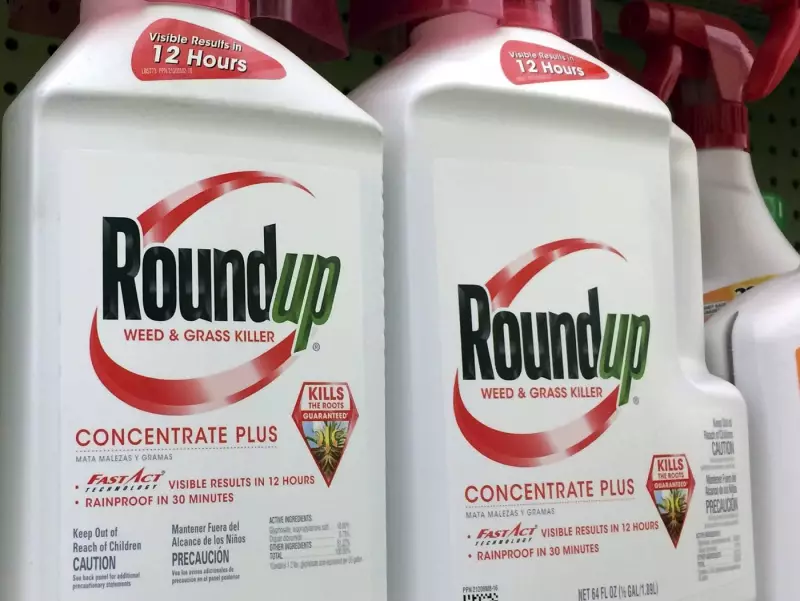
A foundational scientific study that concluded the controversial herbicide glyphosate was safe has been officially withdrawn from the scientific record, a full 25 years after it was first published. The retraction, announced in December 2025, sends a significant ripple through the ongoing global debate about the health and environmental impacts of the world's most widely used weed killer.
The Long Road to Retraction
The study in question had been a key piece of research cited in discussions about glyphosate's safety profile. For a quarter of a century, its findings were referenced by various groups, including the herbicide's manufacturers, to support the argument that the chemical posed minimal risk to human health under normal use conditions. Glyphosate is the active ingredient in Monsanto's flagship product, Roundup, among many other weed control products.
Its retraction now casts a new light on the scientific foundation of those safety claims. The formal withdrawal means the journal's editors no longer have confidence in the validity of the study's results or conclusions. While the specific reasons for the retraction were detailed in the original announcement, such actions typically follow the discovery of fundamental flaws in methodology, data analysis, or ethical concerns that undermine the research.

Context: A Heated Global Debate
This development arrives amidst a deeply polarized and ongoing international controversy surrounding glyphosate. Regulatory bodies worldwide have arrived at conflicting conclusions. Health Canada, after multiple re-evaluations, has consistently maintained that glyphosate products are safe when used according to label directions and that they do not pose a risk to human health.
However, the World Health Organization's International Agency for Research on Cancer (IARC) classified glyphosate as "probably carcinogenic to humans" in 2015. This classification has fueled thousands of lawsuits, particularly in the United States, where plaintiffs have successfully argued that exposure to Roundup caused their cancers, leading to multi-billion dollar settlements by Bayer, which acquired Monsanto in 2018.
The retraction of a long-standing study adds a new layer of complexity for scientists, regulators, and the public trying to navigate the conflicting evidence.
Implications for Science and Public Trust
The 25-year gap between publication and retraction highlights a critical challenge in scientific publishing and knowledge evolution. It underscores how outdated or flawed research can persist in the literature for decades, continuing to influence policy and public perception long after its credibility should have been questioned.
For the agricultural sector in Canada and consumers, the news reinforces the importance of relying on the most current and robust scientific assessments. It is unlikely to trigger an immediate change in Canadian regulation, as Health Canada's stance is based on a broader body of evidence, including hundreds of studies and its own risk assessments. However, it will undoubtedly be cited by environmental and health advocacy groups calling for stricter limits or an outright ban on the chemical.
The retraction serves as a potent reminder that scientific understanding is not static. What was accepted as fact a generation ago must be continually scrutinized as methods improve and new evidence emerges. As the debate over glyphosate continues, this event emphasizes the need for transparent, reproducible, and timely science to inform some of society's most critical health and environmental decisions.






