

A devastating dual crisis is gripping British Columbia's poultry industry as catastrophic flooding in Abbotsford has claimed the lives of an estimated 175,000 birds, compounding years of struggle against a persistent avian influenza outbreak.
A Grim Cleanup Amidst Dual Disasters
The emergency operations centre for B.C. Poultry confirms the massive loss occurred on six farms during the severe flooding that hit the region last week. While the disaster is not anticipated to affect chicken, egg, or turkey availability or prices for the upcoming Christmas holidays, it represents a crushing blow to farmers. The industry has been reeling since December 2021 from an avian flu outbreak that has led to the death of approximately 10 million birds across Canada.
Shawn Hall, director of B.C. Poultry's emergency operations centre, stated that 14 poultry farms were located within the evacuation zone. He described a desperate, all-night battle by many farmers to save their livestock, using sandbags in a frantic attempt to hold back the rising waters. In some cases, their efforts succeeded; in others, they tragically did not.

Farmers Question Their Future After Repeated Blows
The emotional and financial toll on multi-generational family farms is immense. During a tour of the flood zone, B.C. Premier David Eby met with a farmer who had endured three floods within just five years. The premier recounted being shown photos of mud-filled barns where birds had drowned.
"He is seriously asking himself whether he is able to continue farming," Eby said, describing the situation as "an awful, awful cleanup operation ahead of them and a devastating set of impacts."
This sentiment is echoed across the Fraser Valley. Mark Driediger stood helplessly in the driveway of his son's chicken farm last Thursday as water rose around him. His son's operation was hit hard by the 2021 flood, losing thousands of birds. The following year, avian influenza struck, forcing the culling of the flock. "It's one thing to do it once, but this is insanity," Driediger told Postmedia. "Hoping it won't happen again isn't a great plan. We have to come up with something better."
Avian Flu Adds Insult to Injury
While the flooding presents an immediate, visible catastrophe, the shadow of avian influenza continues to loom. Hall noted that 33 B.C. flocks have been infected with the virus this fall alone. Although this number is lower than the roughly 80 premises infected last year, the combination of both emergencies is uniquely devastating.
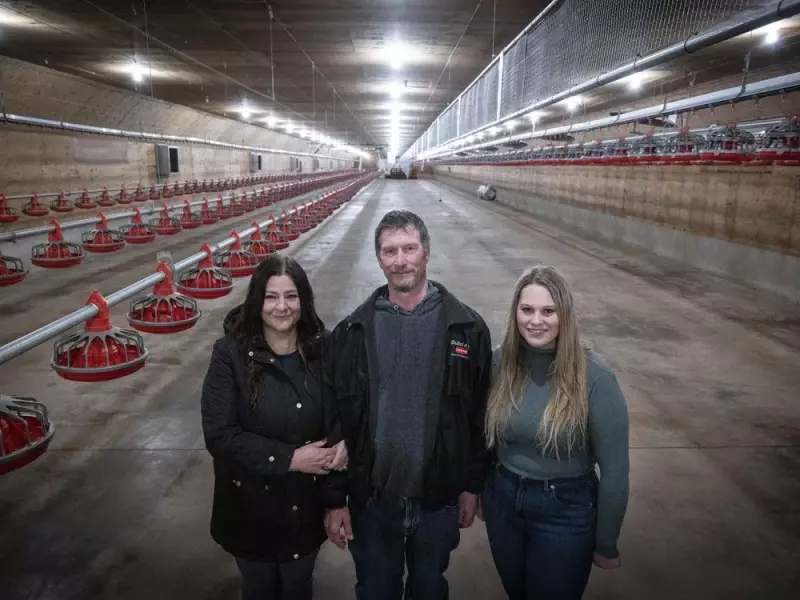
Angela Groothof, who runs a hatching egg farm in Abbotsford with her husband Len and daughter Brooke, expressed frustration with the level of government support. Their farm, located just outside the flood zone, has watched the crisis unfold around them. "While I appreciate the government's support, it's not nearly enough," she said.
For farmers like Matt Dykshoorn, the pain is all too familiar. He lost his flock in the 2021 floods and has now suffered the same fate again. The repeated trauma, coupled with the ongoing biosecurity threat of bird flu, is pushing the resilience of B.C.'s agricultural community to its limit, raising urgent questions about long-term sustainability and disaster mitigation in one of Canada's most critical farming regions.






