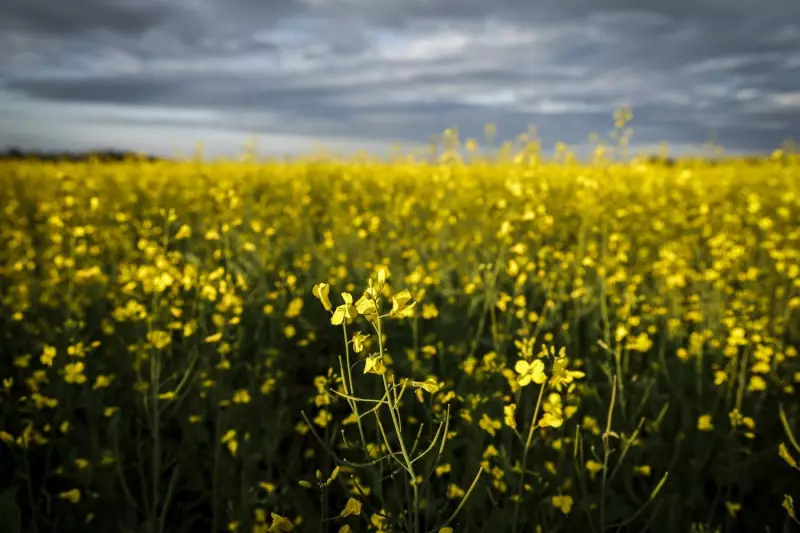
Canadian farmers are closely watching the high-stakes diplomatic mission of former Bank of Canada governor Mark Carney in Beijing, hoping his meetings can finally unlock a resolution to the punishing tariffs on canola exports to China.
A Crucial Diplomatic Mission for Agriculture
Carney arrived in Beijing on January 14, 2026, for a highly anticipated meeting with Chinese President Xi Jinping. While the agenda is broad, the agricultural sector, particularly canola producers, views this as a pivotal opportunity. The longstanding trade barrier has severely impacted one of Canada's most valuable export commodities, creating financial strain across the prairies.
The issue stems from tariffs imposed by China, which have effectively blocked or severely restricted Canadian canola shipments for years. This has forced farmers and exporters to seek alternative, often less lucrative, markets. The resolution of this dispute is seen as critical for the economic health of farming communities in provinces like Alberta, Saskatchewan, and Manitoba.

The Stakes for Canadian Producers
The canola industry represents a multi-billion dollar segment of Canada's agricultural economy. China was historically one of its largest international buyers, making the tariffs a significant blow. Producers have been vocal about the need for federal action to reopen this vital trade channel.
Farmers argue that a diplomatic solution led by a respected figure like Carney could provide the necessary breakthrough. His economic expertise and international stature are considered assets in navigating the complex trade discussions with Chinese officials. The industry's hope is that these talks will move beyond general dialogue to secure concrete steps toward lifting the restrictive measures.
Broader Trade and Economic Implications
The outcome of Carney's mission carries weight beyond the farm gate. Success could signal a thaw in broader Canada-China trade relations and stabilize a key sector. Failure, however, would mean continued uncertainty and pressure on farmers who have already adapted their operations under difficult conditions.
As the meetings proceed in Beijing, Canadian agricultural groups are urging the government to make canola a top priority. They emphasize that a fair resolution is essential not only for current producers but for the long-term viability of the industry. The coming days will reveal whether this diplomatic effort can yield the tangible results that the prairie farming sector desperately needs.