

Federal Farm Research Cuts Threaten Organic Agriculture and Food Security
The federal government's decision to close seven Agriculture and Agri-Food Canada research facilities within the next twelve months is sparking significant concern among agricultural experts and consumers alike. These closures, affecting centers in Alberta, Saskatchewan, Manitoba, Ontario, Quebec, and Nova Scotia, represent a direct threat to Canada's food system stability and long-term sustainability.
Immediate Impact on Research and Expertise
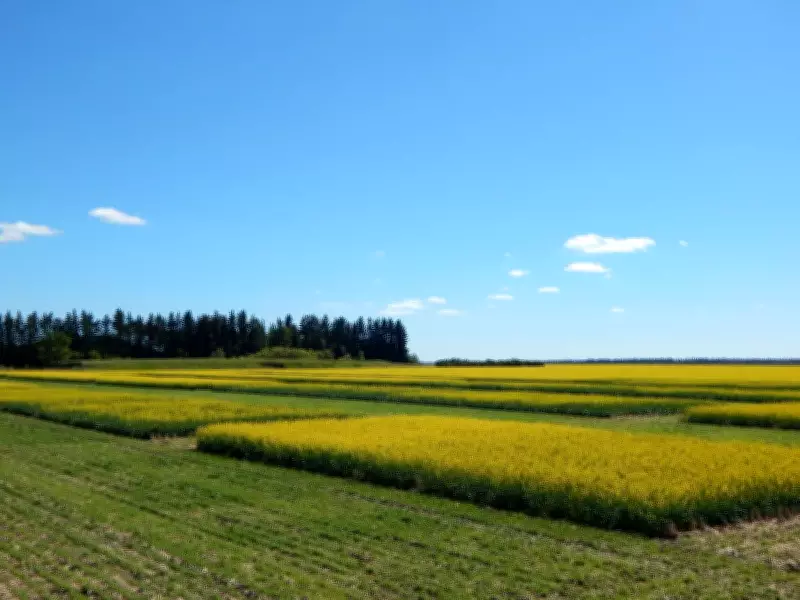
These research centers serve as critical hubs for agricultural innovation across the country. The Indian Head Agricultural Research Foundation (IHARF) in Saskatchewan alone manages between 2,000 and 3,000 small research plots annually, depending on available funding. The planned closures will result in the loss of over 600 highly-skilled researchers, technicians, and support staff whose specialized knowledge in plant breeding, soil health, and organic crop development cannot be easily replaced.
Decades of public investment in agricultural research will essentially be discarded, with the government aiming to save approximately $154.7 million by 2028-29. While this might appear fiscally responsible on the surface, experts describe it as a "false economy" that will ultimately cost Canadian consumers far more through increased grocery prices and reduced food security.

Targeting Organic and Regenerative Research
What makes these cuts particularly alarming is their specific focus on organic and regenerative agricultural research. Organic farming represents much more than a passing consumer trend—it constitutes a vital strategy for addressing climate change challenges that directly impact food production.
Research conducted at these facilities helps farmers develop crop varieties that require less synthetic fertilizer, which is both expensive to produce and environmentally damaging. Without these research stations, Canada loses crucial capacity to test plant varieties under Canadian growing conditions, undermining our ability to adapt to increasing droughts, pests, and other climate-related challenges that already drive up food prices.
Economic Consequences and Market Implications
Canada's organic market reached a valuation exceeding $10.55 billion in 2023, with consumer demand continuing to grow steadily. However, domestic organic production has failed to keep pace with this demand, forcing increased imports and stifling local innovation. The closure of these research centers will only widen this demand-supply gap, making Canada more dependent on foreign organic products and losing economic opportunities at home.
The research targeted for elimination includes work on organic oats for breakfast cereals and organic wheat for bread and pastry production—staples that directly affect Canadian consumers' daily lives. As climate change increasingly impacts agricultural production, the expertise housed in these research facilities becomes more valuable, not less.
Broader Implications for Food Security
While urban residents might perceive rural research stations as irrelevant to their daily lives, the reality is that these closures will affect all Canadians. The loss of research capacity jeopardizes both short-term food affordability and long-term food sovereignty—Canada's ability to control its own food production systems.
Higher grocery prices loom on the horizon, not merely due to conventional factors like fuel costs and supply chain disruptions, but because of this deliberate reduction in agricultural research capacity. The average taxpayer might save roughly 52 cents monthly through these cuts, but will pay significantly more at the checkout counter as food systems become less resilient and adaptive.
The federal government must reconsider this short-sighted approach to agricultural research funding. Preserving these research centers represents an investment in climate resilience, food security, and economic stability that Canada cannot afford to sacrifice for minimal short-term savings.






