

Cool Ocean Conditions and Soaring Fuel Prices Threaten Nova Scotia's Lobster Harvest
The iconic lobster industry in Nova Scotia is navigating turbulent waters this season, grappling with a concerning combination of unusually cool ocean temperatures and persistently high fuel costs. These dual pressures are creating significant anxiety among fishermen and industry stakeholders along the province's rugged coastline.
Chilly Waters Delay Critical Fishing Season
Marine scientists report that ocean temperatures in key lobster fishing grounds remain notably cooler than average for this time of year. This environmental factor is directly impacting lobster behavior and migration patterns, potentially delaying the start of the prime fishing season. Lobsters are cold-blooded creatures whose activity levels and movements are heavily influenced by water temperature.
"When the water stays cold, lobsters tend to remain deeper and less active," explained a marine biologist familiar with the region. "This can postpone their movement into traditional trapping areas, directly affecting catch rates and timing."

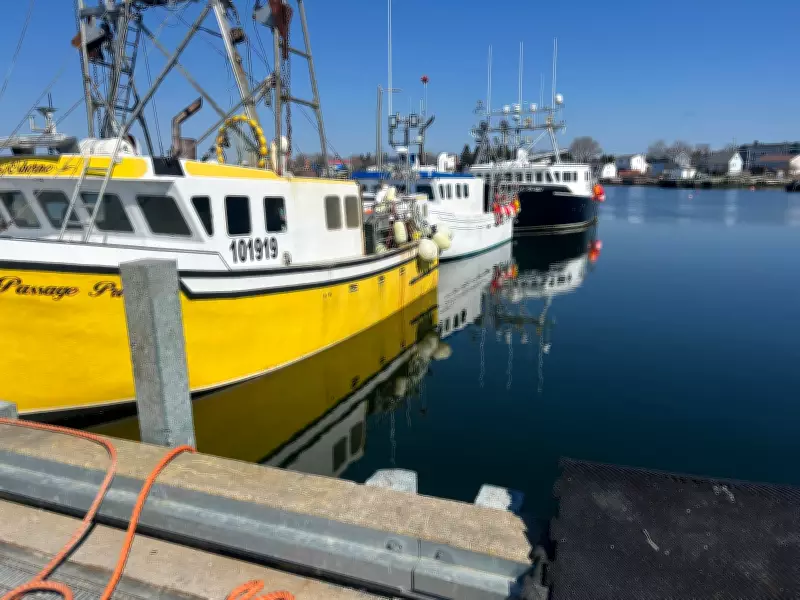
The delayed season compounds existing challenges, as fishing communities rely on predictable harvest windows for economic stability. Many boats that would typically be actively fishing remain tied up at docks like those in Eastern Passage, awaiting more favorable conditions.
Fuel Price Surge Squeezes Already Thin Margins
Simultaneously, the industry faces a severe financial strain from skyrocketing fuel prices. Diesel costs have reached levels that threaten the viability of many fishing operations, particularly smaller independent fishermen. Lobster boats are notoriously fuel-intensive, requiring significant amounts of diesel to power engines and operate hydraulic systems for hauling traps.
"Fuel is our single biggest expense after the boat itself," shared a veteran lobster fisherman from southwestern Nova Scotia. "When prices spike like this, it eats directly into our profits. Some days it feels like we're working just to pay for the diesel."
The economic calculation has become increasingly precarious. With fuel accounting for 30-40% of operating costs for many vessels, the current price environment makes some fishing trips marginally profitable at best. This financial pressure comes at a time when other expenses—including bait, gear maintenance, and licensing fees—continue to rise.
Industry Responds to Mounting Challenges
Local fishing associations and provincial officials are monitoring the situation closely, recognizing the potential ripple effects on coastal communities. The lobster industry represents a cornerstone of Nova Scotia's economy and cultural identity, supporting thousands of jobs directly and indirectly through processing, distribution, and tourism.
Possible responses under discussion include:
- Seeking temporary fuel subsidies or tax relief for commercial fishermen
- Exploring more fuel-efficient technologies and fishing practices
- Adjusting season dates or quotas based on environmental conditions
- Developing contingency plans for communities heavily dependent on lobster fishing
The situation highlights the vulnerability of marine industries to both environmental variability and global economic forces. As climate patterns shift and energy markets fluctuate, traditional fishing communities must adapt to preserve their livelihoods.
Fishermen remain cautiously optimistic, drawing on generations of experience navigating the unpredictable North Atlantic. However, the convergence of cool waters and expensive fuel creates a particularly challenging scenario that will test the resilience of Nova Scotia's most famous seafood industry throughout the coming season.






