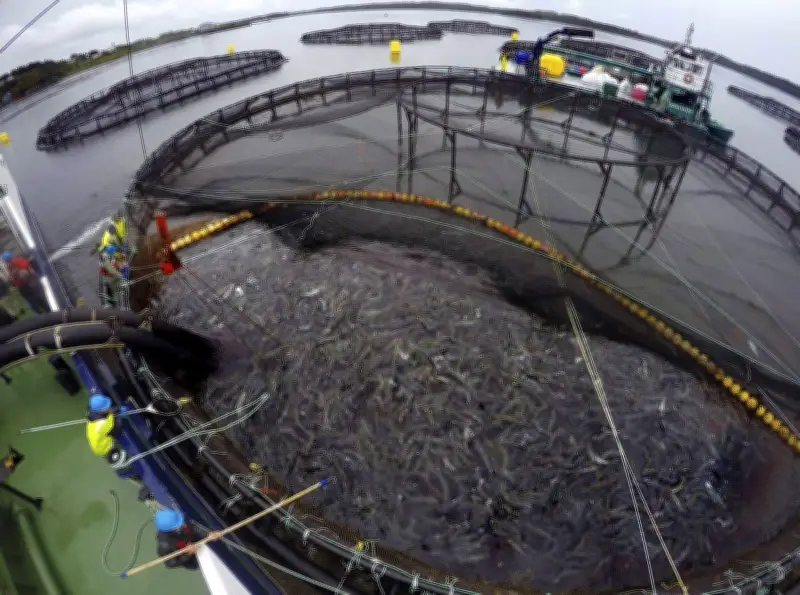
New Brunswick-based Cooke Aquaculture has acquired salmon farming operations across Atlantic Canada, further consolidating its position as a major player in the global seafood industry. The deal, announced on June 30, 2026, encompasses multiple sites in New Brunswick, Nova Scotia, Newfoundland and Labrador, and Prince Edward Island, though specific financial terms were not disclosed.
Acquisition Details and Scope
The acquisition includes a combination of active salmon farms, processing facilities, and marine tenures previously operated by several smaller companies. Cooke Aquaculture stated that the move will enhance its production capacity and supply chain efficiency. The company already operates in Canada, the United States, Scotland, and Chile, with annual revenues exceeding $4 billion.
According to a company spokesperson, the acquired operations will be integrated into Cooke's existing network, and all current employees are expected to retain their positions. The deal is subject to regulatory approvals under the Competition Act and Fisheries Act.

Impact on Atlantic Canada's Aquaculture Industry
The acquisition marks a significant shift in the regional aquaculture landscape. Atlantic Canada's salmon farming industry has faced challenges in recent years, including disease outbreaks, environmental concerns, and market volatility. Cooke's expansion is seen as a move to stabilize production and invest in new technologies.
"This acquisition allows us to strengthen our commitment to sustainable aquaculture and support local economies," said Glenn Cooke, CEO of Cooke Aquaculture. "We are dedicated to responsible farming practices and will continue to work with communities and regulators."
Industry and Community Reactions
Industry analysts note that consolidation in the sector could lead to greater efficiency but also raise concerns about market concentration. "Cooke's growth gives it significant control over the supply chain, which could impact pricing and competition," said marine economist Dr. Sarah Jenkins of Dalhousie University.
Local fishing groups have expressed mixed reactions. Some worry about increased competition for marine space, while others see potential for job creation and investment. "We hope Cooke will maintain high environmental standards and engage with local stakeholders," said Mary Walsh, president of the Maritime Fishermen's Union.
Future Outlook
Cooke Aquaculture plans to invest in modernizing the acquired facilities, including upgrading fish health management systems and implementing advanced monitoring technologies. The company aims to increase annual salmon production by 15% within three years.
The acquisition comes as global demand for salmon continues to rise, driven by consumer preference for healthy protein sources. However, the industry faces ongoing scrutiny over environmental impacts, including sea lice infestations and waste management. Cooke has committed to reducing its ecological footprint through research and innovation.