

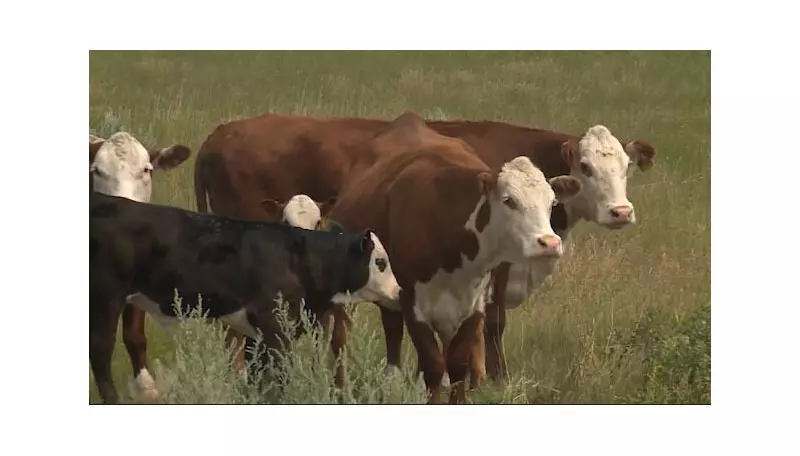
The Canadian Food Inspection Agency (CFIA) has announced a temporary pause on proposed new traceability regulations for livestock, a move that comes directly in response to significant concerns raised by cattle producers across the country.
Regulatory Shift Follows Industry Feedback
On January 13, 2026, the federal agency confirmed it would delay the implementation of stricter traceability measures. The decision follows a period of intense consultation and lobbying from agricultural groups, who argued the proposed rules would impose undue financial and administrative burdens on farmers and ranchers.
The proposed regulations were aimed at enhancing the tracking of animals from farm to slaughter, intended to improve food safety and disease outbreak response. However, many in the industry, particularly in major cattle-producing provinces, voiced fears over the potential costs and operational complexities involved.

Saskatchewan Producers Express Relief
Reaction from the heart of Canada's cattle country has been one of clear relief. Saskatchewan beef producers, who operate many of the nation's herds, had been vocal opponents of the proposed changes in their current form.
Farmers in the province argued that while animal traceability is an important goal, the CFIA's initial plan was not pragmatic for the realities of large-scale cattle operations. The temporary halt allows for further discussion and potential modifications to the framework.
The pause does not eliminate the traceability initiative but signals the CFIA's willingness to re-engage with stakeholders. The agency is expected to use this time to review the feedback and explore alternative approaches that balance food safety objectives with economic feasibility for producers.
What Comes Next for Livestock Tracking?
This development highlights the ongoing tension between regulatory ambition and on-the-ground agricultural practice. The CFIA has not provided a new timeline for when revised proposals might be presented, indicating the consultation process will continue.
Industry advocates are likely to use this window to push for a system that leverages existing practices and technology, minimizing new capital expenditures for farmers. The outcome of these negotiations will be closely watched by other agricultural sectors that may face similar regulatory updates in the future.
The decision underscores the influence of producer voices in shaping national agricultural policy and sets a precedent for how future food safety regulations may be developed in partnership with the industry.






