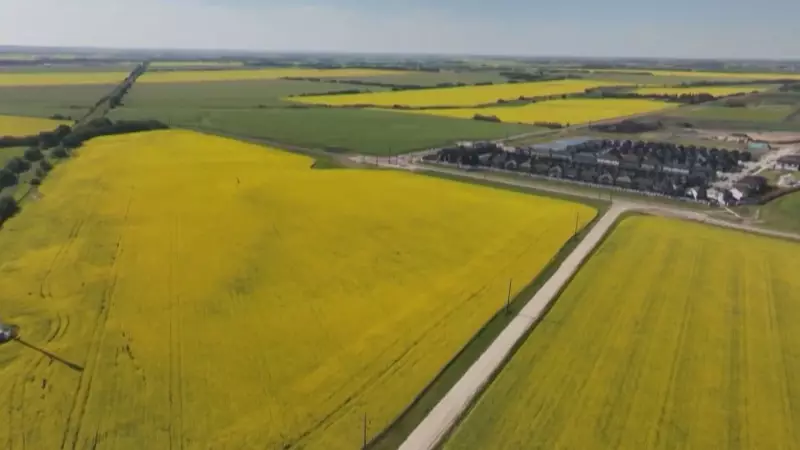
Canadian canola farmers are expressing a sense of cautious optimism in the wake of a new trade agreement secured with China by Prime Minister Mark Carney. The deal, announced on January 16, 2026, promises to open a significant new market for Canadian canola and comes with a substantial reduction in tariffs that have long hampered exports.
A Long-Awaited Breakthrough for a Key Crop
The agreement marks a pivotal moment for Canada's agricultural sector, where canola is a cornerstone crop. For years, trade tensions and tariffs have created uncertainty for producers, particularly in the prairie provinces. The new deal, finalized during Prime Minister Carney's visit to China, directly addresses these barriers. The Manitoba Canola Growers Association has publicly called the development "good news," a sentiment echoed by industry stakeholders across the country who have been eagerly awaiting a resolution.
In Saskatchewan, a major canola-producing region, the provincial government has labeled the trade deal and the associated tariff cuts as "very good news." Producers in the province have reacted positively to the announcement, highlighting the potential for market stability and improved profitability. The deal is seen as a critical step in recovering value for a sector that has faced significant headwinds in recent years.

Optimism Tempered by Past Challenges
Despite the positive reception, the optimism within the farming community is deliberately measured. Industry representatives and growers are emphasizing the word "cautious" when discussing their outlook. This hesitation stems from the volatile history of trade relations with China, where market access has been unpredictable. The memory of past disruptions and the complex nature of international trade mean producers are watching for concrete, long-term implementation.
The deal's announcement follows closely on the heels of another positive development for Canadian seafood exports: the recent suspension of a Chinese tariff on Nova Scotia lobster, which surprised and elated that industry. These successive moves suggest a potential warming in bilateral trade relations, offering a broader context of hope for Canadian exporters.
Looking Ahead: Stability and Growth
The consensus among agricultural groups is that this agreement provides a foundation for recovery and future growth. With reduced tariffs, Canadian canola becomes more competitive in the crucial Chinese market. This could lead to increased planting decisions and investments in the coming seasons, as farmers gain more confidence in their export prospects.
However, the path forward requires vigilance. Producers and industry analysts will be closely monitoring the rollout of the agreement to ensure commitments are met and market access remains stable. For now, the deal represents the most promising development in years for Canadian canola, offering a chance to rebuild and strengthen a vital part of the nation's agricultural economy. The message from the prairies is clear: hope is renewed, but the lessons of the past ensure that optimism remains carefully guarded.