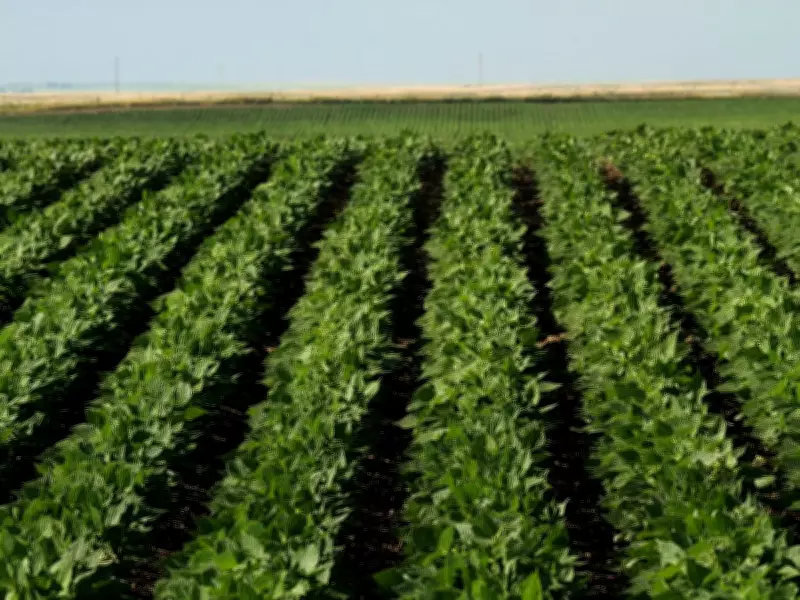
Every spring, Canada quietly initiates one of its largest and most consequential national projects: a $20-billion megaproject that unfolds with no ribbon-cutting, no news conference, and no prime ministerial announcement. Yet within weeks, tens of thousands of farmers and ranchers deploy billions of dollars, put enormous personal and financial capital at risk, and set in motion the production of food that Canadians and much of the world rely upon.
The Scale of Spring Investment
Spring seeding is often described as an $8-billion activity, capturing what flows through agricultural retailers—seed, fertilizer, crop protection products, and fuel. However, this figure tells only part of the story. When including all capital at risk—inputs, labour, equipment, livestock production, operating credit, and the cost of maintaining highly sophisticated machinery—the true scale is well north of $20 billion, committed in a short window by private citizens with no guarantees.
A National Economic Engine
This springtime investment underpins Canada's food industry, an ecosystem contributing roughly $150 billion annually to GDP and supporting more than two million jobs. Unlike major infrastructure projects described by concrete invoices alone, agriculture's true investment is often underestimated.

In most industries, investment unfolds gradually, with phased projects and adjustable costs. Agriculture operates differently. Canada has one primary growing season, concentrating nearly all critical decisions and financial risk in the spring. Seed goes into the ground, calves and lambs are born, operating loans are drawn, and equipment runs day and night. If weather turns, markets shift, or disease strikes, there is no pause button or redo—farmers live with the outcome for a full year.
Risk and Resilience
From a risk perspective, this is extraordinary. Every spring, family farms across the country make the largest coordinated, high-risk private investment in the Canadian economy, doing so independently, quietly, and with remarkable competence.
While much of Canada's grain, oilseed, and pulse crops grow in the Prairies, the impact is national. Ontario and Quebec see intense activity in corn, soybeans, horticulture, and livestock. Atlantic Canada punches above its weight through potatoes, greenhouses, and specialty crops. Livestock producers across the country enter peak calving and lambing season.
This annual event is so familiar that it rarely draws attention, but spring in Canadian agriculture is a national-scale, renewable megaproject repeated every year with no second chances.