

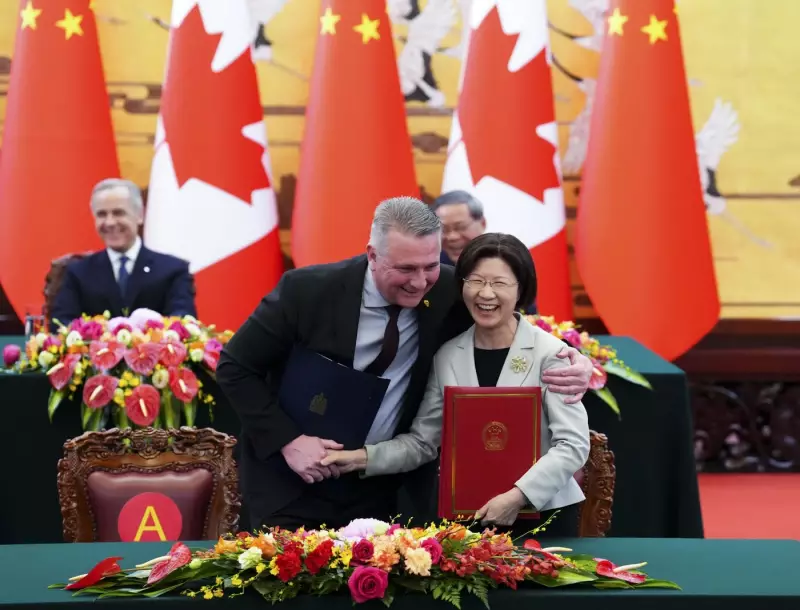
Canada-China Trade Agreement Opens Doors for Agricultural Exports
In a significant development for Canadian farmers and ranchers, Agriculture Minister Heath MacDonald has confirmed that the first exports of canola seed and beef to China are expected to commence shortly. This announcement follows the recent bilateral trade deal between Canada and China, which has led to the lifting of certain tariffs that had previously hindered agricultural trade.
Details of the Trade Deal and Its Implications
The agreement marks a pivotal moment in Canada-China relations, particularly for the agricultural sector. Minister MacDonald highlighted that the removal of tariffs under this deal is a direct result of diplomatic efforts aimed at fostering stronger economic ties. He emphasized that this move will provide substantial benefits for Canadian producers, potentially unlocking billions in revenue and enhancing market access in one of the world's largest economies.
However, the minister also addressed lingering concerns regarding anti-dumping tariffs on Chinese steel. While the focus remains on agricultural gains, discussions are ongoing about whether Ottawa will reciprocate by dropping tariffs on Chinese steel imports. This aspect of the trade relationship remains a point of negotiation, balancing domestic industry interests with international trade commitments.

Economic Impact on Canadian Producers
The imminent exports are seen as a major win for Canada's agricultural community. Canola, a cornerstone of Canadian farming, and beef, a key livestock product, stand to gain significantly from access to the Chinese market. This development is expected to boost rural economies, create jobs, and strengthen Canada's position as a global agricultural leader.
Minister MacDonald noted that the deal reflects a strategic approach to trade, prioritizing sectors where Canada has a competitive advantage. He expressed optimism that this could pave the way for further agreements, enhancing Canada's trade portfolio and supporting sustainable growth in the agriculture industry.
Looking Ahead: Challenges and Opportunities
While the announcement is promising, challenges remain. Ensuring compliance with Chinese import regulations, maintaining product quality, and navigating logistical hurdles will be critical for successful exports. Additionally, the broader trade landscape, including geopolitical tensions and market fluctuations, could impact long-term outcomes.
Despite these factors, the agriculture minister's update signals a positive step forward. As Canada prepares to ship its first canola seed and beef to China, stakeholders are hopeful that this deal will herald a new era of prosperity for the nation's agricultural exports, reinforcing Canada's role in global food security and trade.






