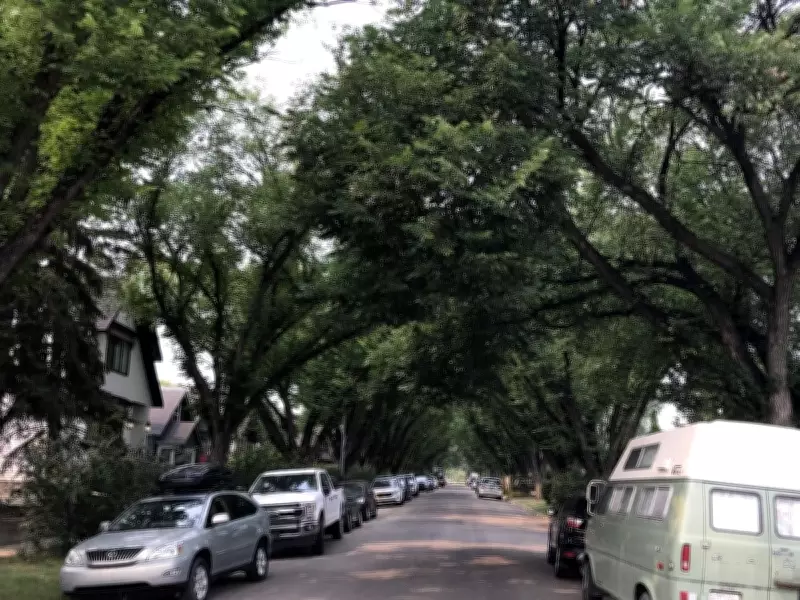
In windswept Calgary, trees provide shade, beauty, and clean air. However, a recent commentary by George Brookman highlights a critical flaw in the city's free tree planting initiative: the lack of follow-up care. Despite the program's goal to distribute 10,000 trees to residents in 2026, many trees planted on city land are dying due to insufficient watering and maintenance.
The Historical Context of Calgary's Trees
Captain John Palliser famously declared in 1858 that the land around Calgary, part of the "Palliser Triangle," would "forever be completely useless." Unlike Vancouver or Toronto, nearly every tree in Calgary was hand-planted by individuals over the past century. This weekend, garden centres will sell trees for residents to plant, water, and nurture, contributing to the city's urban forest.
Federal and Municipal Tree Planting Efforts
In 1991, the federal government launched the "2BT plan" to plant two billion trees in Canada by 2031. However, the program was scrapped with fewer than 230 million trees planted. The City of Calgary's free tree program aims to distribute 10,000 trees in 2026, adding to the landscape. Yet, Brookman notes that Calgarians often admire trees planted long ago in neighborhoods like Mount Royal, Scarboro, or Rosedale, but the city fails to maintain trees on public land.

Maintenance Issues on City Land
Brookman observes that daily, one can drive by parks and boulevards with dead or dying trees due to lack of water and care. Boulevard trees often have suckers growing around their bases or branches needing trimming. He criticizes the city's trimming practices, comparing them unfavorably to cities like Vancouver, which manage large trees along bus and bicycle routes without excessive pruning.
Calgary's tree planting program places trees into sidewalks with steel grates around their trunks. While surviving trees enhance downtown beauty, dead trees are often cut at the base and left for months or years before replacement. When Brookman inquired about a small park in Inglewood with evergreens needing water and trimming, the city responded that after three years, trees should survive on their own. He questions what happens when they don't and argues that trimming, watering, and fertilizing would be a better investment than removing dead trees.
Community Responsibility
Brookman extends the critique beyond the city, noting that many businesses neglect trees in front of their properties. He suggests that simple gestures like pouring a bucket of water or clearing broken branches and suckers would demonstrate civic pride. The article underscores the need for collective care to ensure Calgary's urban forest thrives.