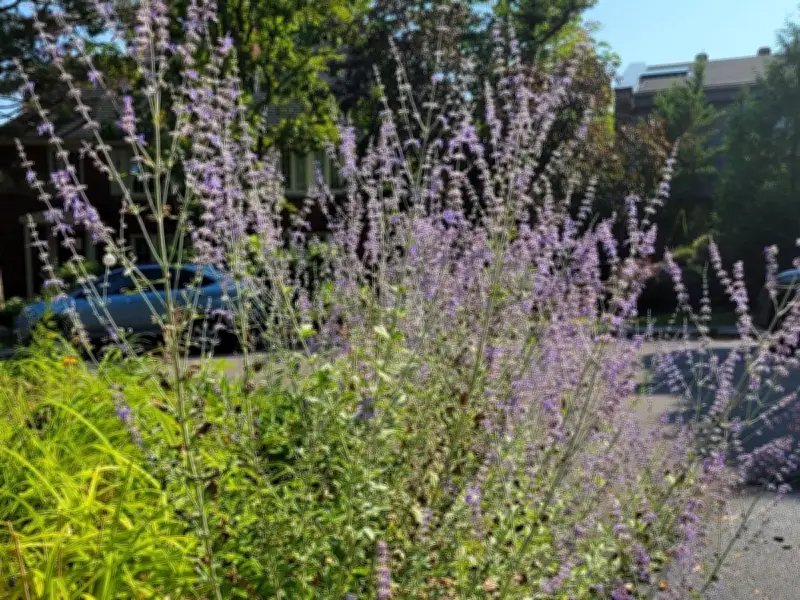
Gardeners are increasingly rethinking their plant choices as a strategy to cope with climate change, particularly the combination of heat waves and droughts. According to Claire McCaughey, a gardening expert, improving soil health, mulching, and using water more efficiently have become essential. Many plants now favored for hot, dry summers possess specific characteristics that make them resilient.
Characteristics of Tolerant Plants
Plants that adapt to both heat and drought share several traits. Those with grey or silver leaves have fine hairs on their surfaces that reduce the impact of light and heat. Succulent plants tolerate high temperatures and drought by retaining moisture in their tissues. Perennials and grasses with long tap roots or deep root systems can absorb moisture from deep underground. Narrow-leaved plants reduce moisture loss through their leaves. Perennial herbs, especially from Mediterranean regions, as well as perennial vegetables like asparagus and rhubarb, survive well in heat and drought.
Growing Plants in Hot, Dry Weather
Even the most drought-tolerant perennials and shrubs require regular watering in their first year and beyond to establish well. To conserve water, these new plantings should be individually watered. Mulching new and existing plantings helps retain soil moisture. Over time, drought-tolerant groundcover plants that spread to cover the soil may replace mulch. However, annual hibiscus, while heat-loving, requires regular watering and is not drought tolerant.

Plants for Hot, Dry Summers
The plants listed below thrive in hot, dry summers but will not tolerate wet areas or excessive water. Good drainage is crucial. Recommended plants include:

- Grey-leaf and silver-leaf perennials: Purple-flowered Russian sage (Perovskia atriplicifolia), yarrow (Achillea species and cultivars such as ‘Moonshine’), and lamb’s ears (Stachys byzantina), the latter grown more for its foliage than flowers.
- Mediterranean herbs: Culinary sage (Salvia officinalis), thyme (Thymus vulgaris), lavender (Lavandula officinalis), and oregano (Origanum vulgare). Many cultivars serve both culinary and ornamental purposes. While our winters preclude growing many Mediterranean plants, some are hardy enough for our climate.
- Hardy succulents: Tall fall-blooming stonecrops (Hylotelephium) and groundcover sedums. Popular cultivars include stonecrop ‘Autumn Joy’ and sedum ‘Angelina’ (Sedum rupestre) with golden foliage. Both grow well in full sun and rarely need watering. Many succulents like aloes, agaves, and snake plants are not hardy but serve as useful annuals for hot, dry summers and can be overwintered indoors.