

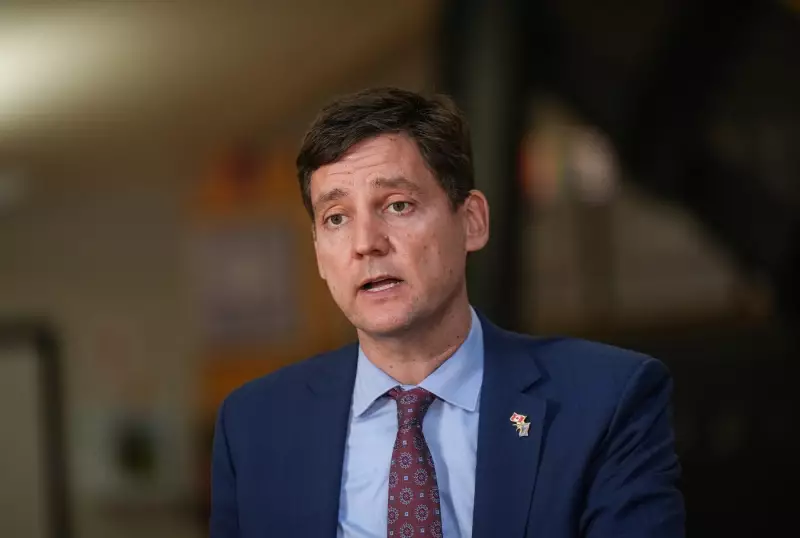
Premier Eby Unveils Forestry Strategy, Stresses Patience for Results
British Columbia Premier David Eby has outlined a comprehensive plan aimed at revitalizing the province's forestry industry through new market opportunities and regulatory reforms. Speaking at a recent event, Eby emphasized that while these initiatives are crucial for long-term sustainability and economic growth, the benefits will not be immediate and will require time to materialize fully.
Focus on New Markets and Regulatory Adjustments
The premier highlighted efforts to diversify forestry markets, potentially including international partnerships and innovative product lines, to reduce dependency on traditional sectors. Concurrently, reforms are being introduced to streamline regulations, support sustainable practices, and enhance competitiveness in a global economy. Eby noted that these changes are designed to address challenges such as market volatility and environmental concerns, but cautioned that implementation will be gradual.
Long-Term Vision for Forestry Sector
Eby's announcement reflects a strategic shift towards a more resilient forestry industry, with a focus on:

- Market Expansion: Exploring untapped domestic and international opportunities to boost exports and create jobs.
- Sustainable Practices: Integrating environmental stewardship into forestry operations to meet climate goals.
- Community Engagement: Ensuring that reforms benefit local communities and Indigenous groups involved in the sector.
The premier acknowledged that past policies have faced criticism, and these new measures aim to build a more stable foundation. However, he stressed that patience is essential, as structural changes in such a significant industry often unfold over years rather than months.
Broader Context and Implications
This forestry initiative comes amid broader economic discussions in Canada, including trade deals and resource management. Eby's approach aligns with provincial efforts to balance economic development with environmental responsibility, a theme echoed in other sectors like energy and agriculture. As B.C. navigates these reforms, stakeholders from industry leaders to environmental advocates will be watching closely to assess impacts on jobs, ecosystems, and regional economies.
In summary, Premier Eby's forestry plan represents a forward-looking strategy with potential for positive outcomes, but its success hinges on careful execution and the understanding that meaningful progress takes time.






