

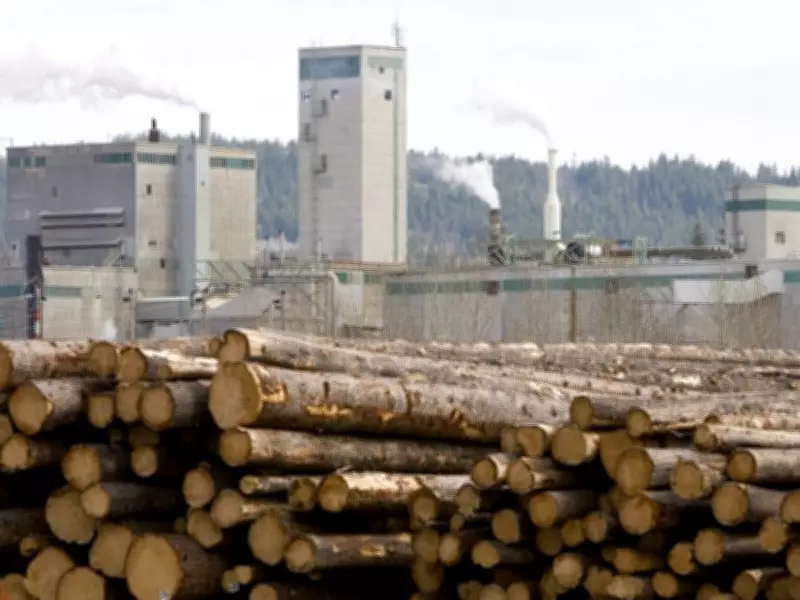
B.C. Forestry Sector Faces Imminent Collapse Without Major Overhaul: Expert Report
A comprehensive new report is sounding the alarm that British Columbia's forestry sector requires "systemic change" or risks complete collapse, with companies potentially refusing to invest in the province. The Provincial Forestry Advisory Council spent six months studying the industry, which has been devastated by the closure of dozens of mills and the loss of thousands of jobs in recent years.
Outdated System No Longer Functional
The council's final report, released this week, concludes that the current system of land tenure and annual allowable cuts—established over a century ago in 1912—is no longer working for anyone. This antiquated framework creates a convoluted decision-making process where forest management and price-setting are improperly mixed together, leading to inefficiency and uncertainty.
"The key here is management-defined areas based on territories, based on ecology, based on the characteristics of that area," explained Gary Merkel, co-chair of the advisory council. He likened the proposed regional approach to school districts, emphasizing that "we obviously need economies of scale, but at the same time, we need the people in that area who are going to ultimately be major decision makers to be small enough that they're connected to it."

Proposed Regional Management Approach
The report's central recommendation calls for a dramatic shift to an area-based management system, with the province divided into approximately 100 distinct regions. Each region would develop long-term plans tailored to its specific ecological characteristics, forest resources, and community needs.
This transition to a regional approach—similar to systems already implemented in Ontario and Alberta—would be overseen by a new independent body reporting directly to the legislature. The goal is to remove forest management from the volatility of partisan politics and provide stable, long-term direction.
Additional Recommendations for Sustainability
Shannon Janzen, co-chair of the advisory council, outlined several complementary recommendations designed to create a more sustainable and predictable forest industry:
- Development of a publicly accessible forest inventory
- Creation of specified management zones in fire-prone areas
- Elimination of programs like B.C. Timber Sales
"There's deep-seated issues within the sector and within the forest," Janzen noted. "They're diverse, and they include things like layered legislation, complicated processes, a lack of shared direction within government ministries, and a system that was built on an era of industrial expansion and volume-based tenures."
Historical Short-Term Thinking
Merkel criticized successive governments for prioritizing short-term fixes over implementing the substantial changes needed for long-term sustainability. "When you're looking after land, you need stable direction, and we just don't get that in a four- to twelve-year political cycles and continuously shifting mandates," he emphasized.
The report represents what experts describe as a "once-in-a-century overhaul" necessary to rescue British Columbia's forestry sector from impending collapse. Without these structural changes, the industry faces continued decline, with potentially devastating consequences for provincial economies and communities dependent on forestry resources.






