

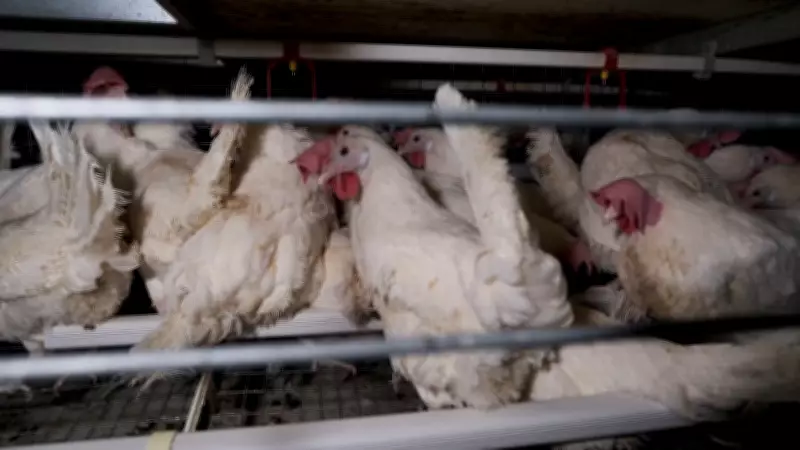
Animal Justice, a prominent Canadian legal advocacy organization, has issued a strong condemnation of a proposed poultry research plan in Saskatchewan that involves so-called 'enriched' cages for egg-laying hens. The group asserts that these cages, while marketed as an improvement in animal welfare, are fundamentally restrictive metal enclosures that severely limit the birds' ability to perform natural behaviors.
Critique of Enriched Cage Systems
According to Animal Justice, the enriched cages being considered in the research initiative do not provide adequate space for hens to engage in essential activities such as nesting, perching, dust-bathing, and foraging. The organization emphasizes that despite the term 'enriched,' these cages still confine the animals in a manner that contradicts their biological needs and welfare standards. This criticism comes amid growing public and scientific scrutiny of intensive farming practices and their impact on animal well-being.
Broader Implications for Animal Welfare
The advocacy group's stance highlights a significant debate within the agricultural sector regarding the balance between productivity and ethical treatment of livestock. Animal Justice argues that investing in research on cage systems, even with modifications, perpetuates outdated farming methods rather than promoting more humane alternatives like cage-free or free-range systems. They call for a shift in focus towards practices that genuinely enhance animal welfare, aligning with evolving consumer expectations and regulatory trends.

This controversy unfolds as Saskatchewan explores advancements in poultry farming, with the research plan aiming to address industry challenges. However, Animal Justice contends that such efforts should prioritize eliminating cages altogether to ensure a sustainable and ethical future for egg production. The group's vocal opposition underscores the ongoing tension between agricultural innovation and animal rights advocacy in Canada.






