

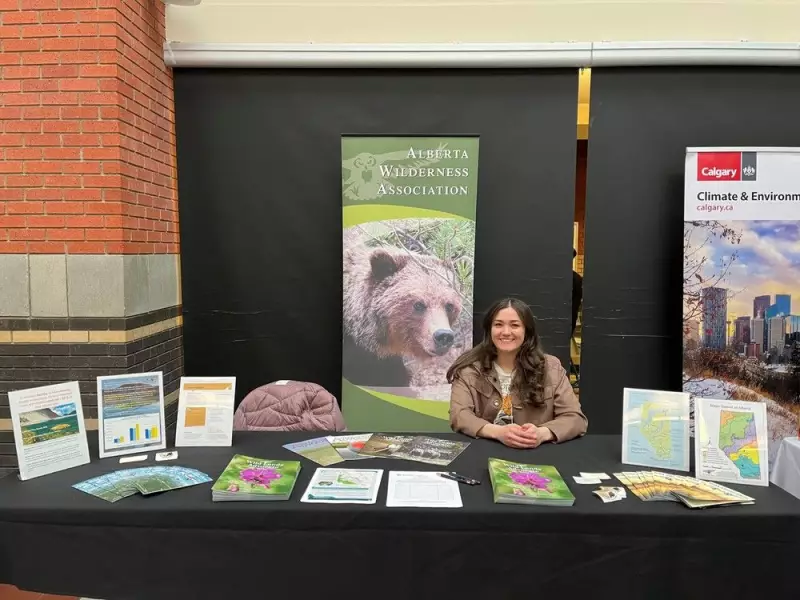
The Alberta government has announced significant changes to the province's wetland management policy, a move it says will provide agricultural producers with "greater certainty and flexibility." The decision, confirmed by the office of Environment and Protected Areas Minister Rebecca Schulz, has been met with approval from farming groups but has drawn criticism from environmental advocates like the Alberta Wilderness Association.
What the New Wetland Policy Changes
Under the updated approach, set to take effect in the new year, farmers will be able to conduct specific "low-impact activities" on temporary and seasonal wetlands located on private farmland without requiring a Water Act approval. This exemption applies to practices such as cultivating, direct seeding, and spraying, but only for wetlands that hold water for less than 17 weeks per year.
The provincial government emphasized that the regulatory shift does not alter protections for more significant wetland areas. No changes apply to wetlands that hold water for 18 weeks or more annually, including semi-permanent and permanent wetlands, bogs, and fens. The policy also remains unchanged for all wetlands situated on public or non-agricultural lands.

Addressing an "Unworkable" System
According to the minister's office, the previous regulatory framework was problematic for both farmers and regulators. Producers were previously obligated to obtain Water Act approval and pay associated fees even for minor activities on short-duration wetlands. This process often required costly environmental assessments.
"Many were required to spend tens of thousands of dollars assessing the wetland just to determine the fee — an unrealistic burden for producers simply trying to farm their own land," the ministry stated. This led to widespread non-compliance, and the province has reportedly never collected fees for these low-impact activities under the old rules.
The government contends the new policy reduces red tape, supports practical land and water management, and enables farmers to operate within the rules without facing prohibitive costs or delays.
Mixed Reactions from Stakeholders
The policy update has been warmly received by agricultural representatives. Alberta Grains chair Scott Jespersen issued a statement praising the step, saying it "recognizes farmers as stewards of the land" and supports timely decision-making for farm operations.
Conversely, the Alberta Wilderness Association has expressed disappointment. The conservation group's concerns are underscored by documents obtained through a freedom of information request. One such document, a review of water availability engagement conducted by Environment and Protected Areas in late 2024 and early 2025, noted that agricultural producers and industry groups felt the province needed to better recognize their land requirements.
Looking ahead, the ministry plans to release a new guide in the coming year for farmers considering tile drainage systems, which remove excess water from soil. The guide aims to streamline application processes, though Water Act authorization will still be mandatory for tile drainage projects.
The coming into force of these regulatory and policy changes in 2025 will mark a new chapter in balancing agricultural productivity with wetland conservation in Alberta.






