

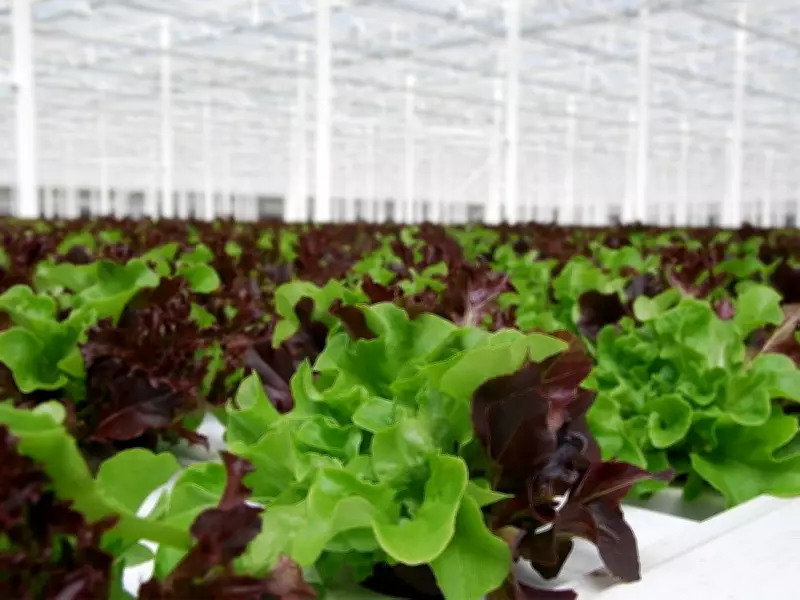
In Diamond Valley, Alberta, a groundbreaking initiative at Oilfields High School is transforming the landscape of food production. Students are cultivating leafy greens, vine crops, and root vegetables indoors using biochar as a soil-based growing medium. What started as an educational endeavor has evolved into a tangible demonstration that year-round food production in Alberta is not merely a concept but a reality already in motion.
The National Food Security Challenge
This local success raises a critical national question: Why does Canada, a country abundant in resources and technical expertise, import approximately half of its fresh vegetables and nearly three-quarters of its fruit, according to Statistics Canada? This dependence on imports has become normalized, yet it poses significant risks to food security, especially in remote and northern communities where food insecurity rates are among the highest in the nation.
Most imported produce travels efficiently across Canada's southern border, but as it moves northward through extended supply chains, costs escalate, spoilage risks increase, and reliability diminishes. These vulnerabilities are exacerbated in regions with limited access to fresh food, highlighting the urgent need for a more resilient domestic production system.

Alberta's Strategic Advantage
Canada excels globally in grains, oilseeds, and livestock production, but its climate restricts year-round field cultivation of vegetables and fruit. While greenhouses and hydroponic systems have bolstered domestic supply in some areas, they often require substantial supplemental heat and lighting in harsh Canadian winters, driving up energy demands and operational expenses. Hydroponics can scale certain crops like leafy greens, but economic and technical constraints frequently limit the variety of produce grown at scale.
If Canada is committed to enhancing resilience, a broader mix of regionally adaptable production systems is essential. Alberta is uniquely positioned to lead this transformation, leveraging its agricultural depth, engineering prowess, energy innovation, and skilled rural workforce. Modular indoor growing systems, including soil-based approaches utilizing stable carbon media such as biochar, are emerging as practical complements to conventional agriculture.
Proof of Concept at Oilfields High School
The Oilfields High School project serves as a compelling proof of concept. Students have successfully integrated biochar-based growing systems to produce a diverse range of crops indoors. If a rural high school can achieve this, Alberta's broader agricultural and industrial sectors have the potential to scale it effectively.
Unlike large, centralized greenhouse complexes, modular systems offer flexibility for deployment in rural towns, Indigenous communities, industrial sites, and northern regions. By producing food closer to end users, these systems reduce transportation risks, minimize spoilage, and enhance supply stability during disruptions, thereby strengthening local economies and food sovereignty.
Broader Implications for Canada
As Canada expands economic and strategic activities in the North, with federal frameworks emphasizing Arctic sovereignty, critical minerals, energy corridors, ports, and defence infrastructure, food security must become a central part of the conversation. Over the coming decades, more Canadians will live and work in regions reliant on complex and expensive supply lines for necessities, including fresh food.
Alberta's leadership in developing adaptable production systems could play a pivotal role in addressing these challenges, ensuring that Canada moves towards greater self-sufficiency and resilience in its food supply chain.






