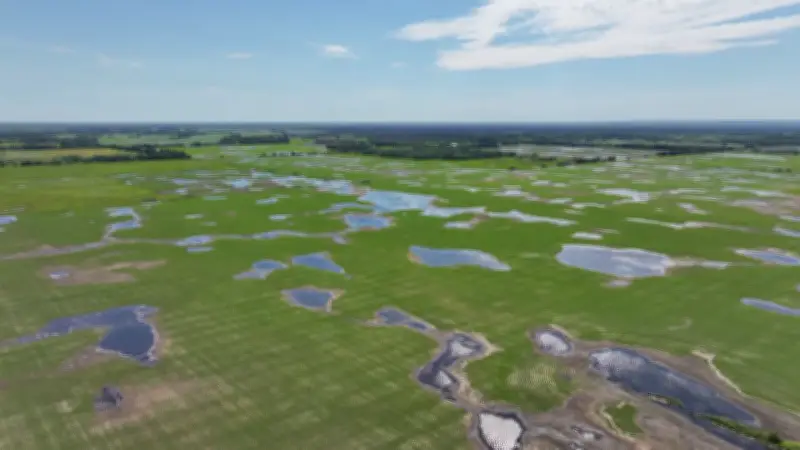
Farmers in Alberta are grappling with significant losses after recent heavy rainfall, estimating that 10% of their acres have been submerged and destroyed by flooding. The situation is compounded by forecasts of additional rain, raising concerns about further damage to crops and livelihoods.
Extent of the Damage
The flooding has affected thousands of acres across the province, with farmers reporting standing water in fields that has drowned crops such as wheat, canola, and barley. According to the Alberta Federation of Agriculture, the 10% loss figure is a preliminary estimate that could rise if more rain falls in the coming days. Some regions have received over 100 millimeters of rain in the past week, saturating soil and overwhelming drainage systems.
“We’ve never seen this much water this early in the season,” said a farmer from the Edmonton area in an interview with CTV News Edmonton. “It’s devastating to watch your work disappear underwater.”

Impact on Crop Yields and Economy
The lost acres represent a direct hit to the province’s agricultural output. Alberta is a major producer of grains and oilseeds, and the flooding could reduce overall yields by up to 10% in affected areas. The financial toll is expected to be in the millions of dollars, with some farmers facing the possibility of having to replant or claim insurance for total crop failure.
“This is a critical time for crops, and standing water can lead to root rot and disease,” explained an agronomist from the University of Alberta. “Even if the water recedes quickly, the long-term damage to soil health and crop quality could be significant.”
Weather Forecast and Preparations
The weather outlook offers little relief. Environment Canada has issued rainfall warnings for parts of Alberta, with some areas expected to receive another 50 to 80 millimeters over the weekend. A rare “Rex Block” weather pattern is bringing heavy rain and strong winds, further complicating recovery efforts.
Municipalities and utility companies like Epcor are preparing for potential urban flooding, clearing storm drains and deploying sandbags. Farmers are advised to monitor fields closely and consider emergency drainage measures.
Government Response and Support
The provincial government has acknowledged the crisis and is assessing the need for disaster relief programs. “We are in contact with agricultural organizations and will provide support where possible,” a spokesperson for Alberta Agriculture and Forestry said. Farmers are encouraged to report losses to their local municipalities and crop insurance providers.
“We’re asking for patience as we evaluate the full scope of the damage,” the spokesperson added. “Our priority is to ensure farmers have the resources to recover.”
Long-Term Concerns
Beyond immediate losses, the flooding raises questions about climate resilience in agriculture. Experts warn that extreme weather events like this may become more frequent, necessitating investments in improved drainage, flood-resistant crops, and sustainable land management practices. The Alberta Federation of Agriculture is calling for increased funding for research and infrastructure to help farmers adapt.
“This isn’t just a one-time event,” the federation’s president said. “We need to build a system that can withstand these shocks, or we’ll see more years like this.”