

U.S. Agriculture Secretary's Religious Easter Message Triggers Internal Backlash and Formal Complaint
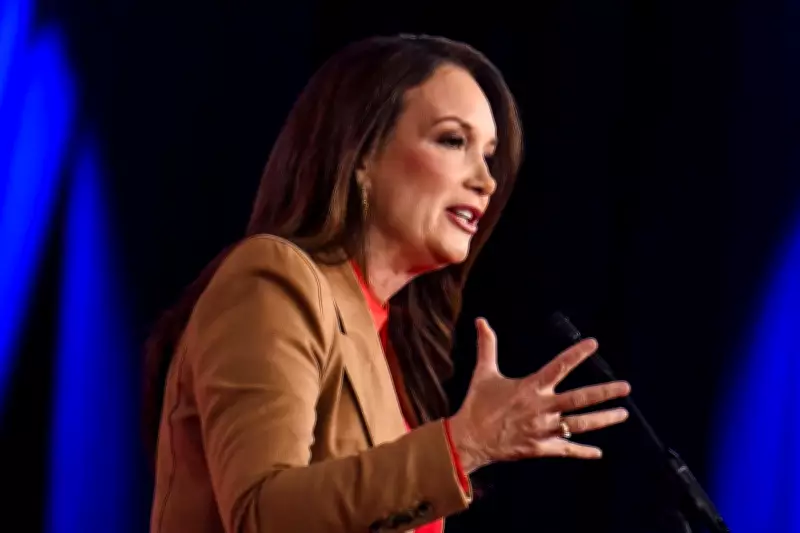
U.S. Agriculture Secretary Brooke Rollins is facing significant internal criticism and a formal complaint after distributing a religious Easter message to all employees within the Department of Agriculture. The incident, which occurred in early April 2026, has sparked concerns about the appropriateness of such communications in a government workplace and has raised questions about maintaining inclusivity across diverse staff.
Details of the Controversial Communication
The message, sent by Secretary Rollins to the entire department workforce, contained explicitly religious content celebrating the Easter holiday. While Easter messages from public officials are not uncommon, the specific nature and distribution of this communication has drawn particular scrutiny. Employees reported receiving the message through official department channels, leading to immediate concerns about whether it violated established policies regarding religious expression in federal workplaces.
Secretary Rollins, who previously attended the Conservative Political Action Conference in Texas in March 2026, has not publicly commented on the backlash. However, sources within the department indicate that the message has created a divisive atmosphere, with some employees expressing appreciation for the gesture while others feel uncomfortable or excluded by its religious nature.

Formal Complaint and Workplace Implications
A formal complaint has been filed in response to the Easter message, alleging that the communication may violate federal guidelines concerning religious expression in government workplaces. The complaint highlights concerns about maintaining a professional environment that respects the diverse religious backgrounds and beliefs of all employees.
This incident comes at a time when government agencies are increasingly focused on creating inclusive workplaces that accommodate employees of all faiths and beliefs. The Agriculture Department, like other federal agencies, has policies in place to ensure that workplace communications remain professional and inclusive, avoiding any appearance of endorsing particular religious viewpoints.
Broader Context and Potential Consequences
The controversy surrounding Secretary Rollins' Easter message reflects ongoing debates about the appropriate role of religious expression in public institutions. While public officials have First Amendment rights to religious expression, these rights must be balanced against the government's responsibility to maintain religious neutrality in official communications.
Legal experts note that similar cases in the past have raised complex questions about where to draw the line between personal religious expression and official government communication. The formal complaint against Secretary Rollins could potentially lead to an internal investigation or review of department policies regarding religious communications.
As the situation develops, observers are watching to see how the Agriculture Department addresses these concerns and what measures might be implemented to prevent similar controversies in the future. The incident serves as a reminder of the delicate balance required when navigating religious expression within government institutions that serve a diverse population.






