Virtual Time Travel to 2016 Emerges as a Nostalgic Trend in Uncertain 2026
As the year 2026 dawns with a palpable sense of uncertainty, a fascinating cultural phenomenon is taking hold across Canada. Virtual journeys back to 2016 have surged in popularity, offering a nostalgic escape to a seemingly simpler time. This trend leverages advanced virtual reality and digital platforms to immerse users in the pivotal moments and everyday life of a decade prior.
Revisiting a Pivotal Year in History
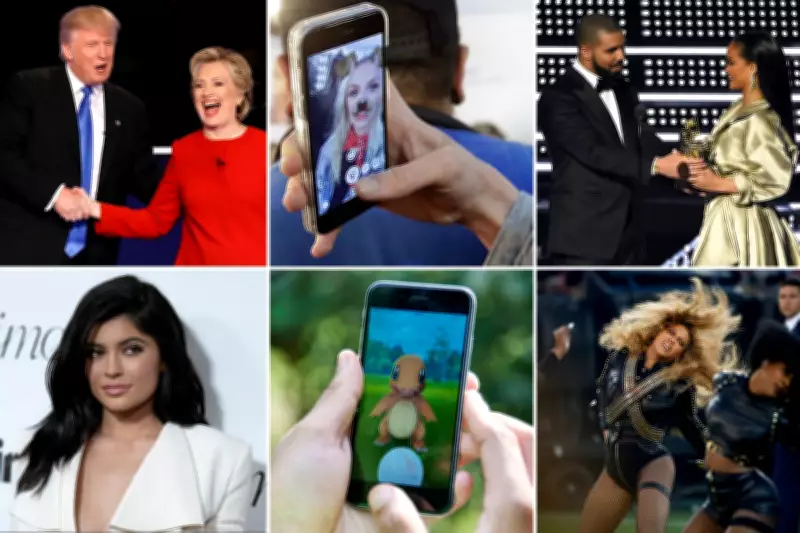
The year 2016 was marked by significant events that continue to resonate today. From the intense political debates between figures like Hillary Clinton and Donald Trump to the halftime spectacle of Beyonce at the Super Bowl, these moments are being digitally resurrected. Social media trends, such as the widespread use of Snapchat filters, and cultural touchstones like Drake presenting awards to Rihanna or the Pokemon Go! craze, are also central to these virtual experiences.
For many Canadians, revisiting 2016 provides a form of comfort and reflection. In a world grappling with ongoing challenges, from economic fluctuations to environmental concerns, the curated memories of 2016 offer a temporary respite. This trend is not merely about escapism but serves as a lens through which people can compare past and present societal norms and technological advancements.

The Technology Behind the Trend
The rise of this trend is fueled by advancements in virtual reality (VR) and augmented reality (AR) technologies. Companies and independent creators are developing immersive experiences that allow users to step into recreated scenes from 2016. These range from interactive political debates to virtual concerts and gaming environments reminiscent of popular apps like Pokemon Go!.
Moreover, social media platforms have integrated features that enable users to share and relive 2016 memories through filters, throwback posts, and collaborative digital spaces. This technological accessibility has made virtual time travel more mainstream, appealing to a broad demographic across Canada.
Psychological and Social Implications
Experts suggest that this nostalgia-driven trend may have deeper psychological roots. In times of uncertainty, humans often seek familiarity and stability, which can be found in revisiting past experiences. The virtual journeys to 2016 allow individuals to reconnect with a time before recent global upheavals, fostering a sense of continuity and identity.
Socially, this trend encourages intergenerational dialogue, as younger users explore the cultural icons and events that shaped the world a decade ago. It also sparks conversations about how far society has come in terms of technology, politics, and entertainment, highlighting both progress and persistent challenges.
Broader Context in Canadian Lifestyle
This trend aligns with a broader interest in nostalgia and retro culture observed in various aspects of Canadian life. From fashion revivals to the resurgence of vintage media, the appeal of looking backward is evident. Virtual time travel to 2016 represents a modern twist on this inclination, blending cutting-edge tech with sentimental value.
As 2026 unfolds, it remains to be seen whether this trend will evolve or fade. However, for now, it offers a unique way for Canadians to navigate the complexities of the present by re-engaging with the past, all from the comfort of their own homes through digital means.