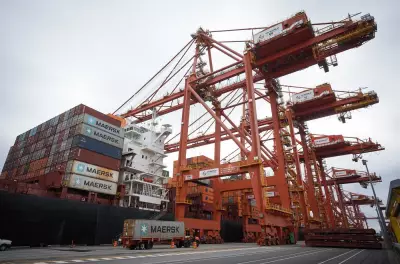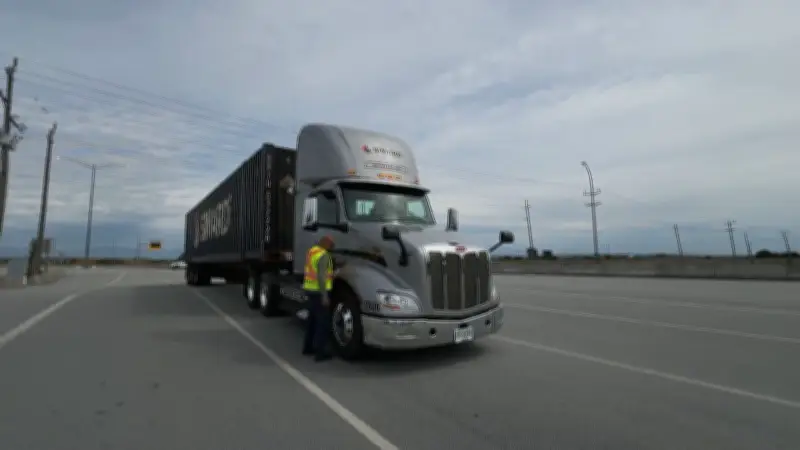
Electric container trucks are now operating at the Port of Vancouver as part of a pilot program designed to test the feasibility of zero-emission freight transportation. The initiative marks a significant step toward reducing greenhouse gas emissions from port operations and improving air quality in the region.
Pilot Project Details
The pilot project involves several electric trucks that will be used for container movement within the port area. These vehicles are expected to replace traditional diesel-powered trucks, cutting carbon emissions and noise pollution. The program will evaluate the performance, range, and charging infrastructure requirements of electric trucks in a real-world port environment.
Environmental Goals
The Port of Vancouver has set ambitious targets to reduce emissions by 50% by 2030 and achieve net-zero by 2050. This pilot is part of a broader strategy to decarbonize port operations, including investments in shore power, renewable energy, and electric equipment.

Stakeholders, including port authorities, trucking companies, and environmental groups, are closely monitoring the pilot's outcomes. If successful, the program could be expanded to include more electric trucks and other zero-emission vehicles.
Industry Response
Local trucking companies have expressed cautious optimism, noting that while electric trucks offer environmental benefits, challenges such as high upfront costs and limited charging infrastructure remain. The pilot will provide valuable data to address these issues and support the transition to cleaner freight systems.
The project is funded through a combination of government grants and private investment, highlighting the collaborative effort needed to advance sustainable transportation.