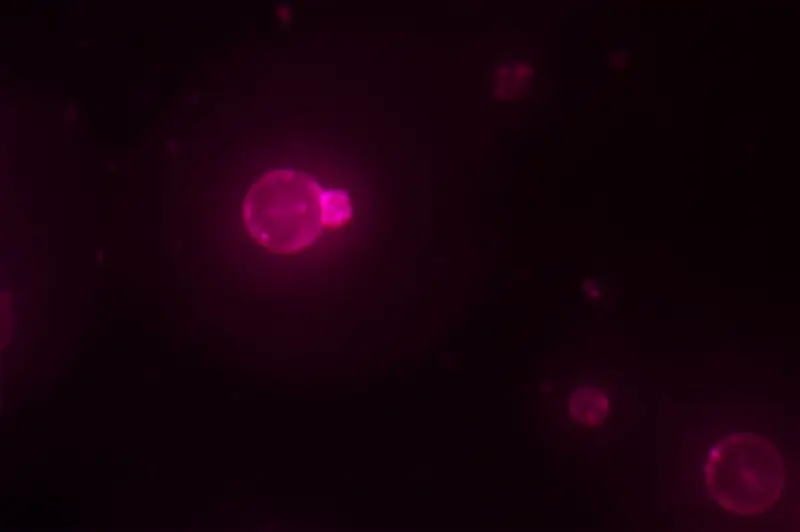
Scientists have achieved a groundbreaking milestone in synthetic biology: for the first time, they have built a functional cell from scratch. The synthetic cell, dubbed 'SpudCell,' resembles a natural cell but is not identical to cells found in nature, according to a report published by CNN.
What is SpudCell?
SpudCell was constructed using a bottom-up approach, assembling individual molecular components to create a living cell. The researchers designed and synthesized a minimal genome, then placed it within a synthetic membrane, resulting in a cell capable of growth and division. This marks a significant leap forward from previous efforts that involved modifying existing cells.
Implications for Science and Medicine
This achievement opens up new possibilities for understanding the fundamental principles of life. By building a cell from scratch, scientists can test hypotheses about what is necessary for life and explore the origins of cellular life. The technology could also lead to the development of custom-designed cells for specific applications, such as producing biofuels, pharmaceuticals, or cleaning up environmental pollutants.

According to the research team, SpudCell's genome contains only the essential genes required for life, making it a simplified model system. This minimal genome approach helps identify the core set of genes necessary for cellular function.
Challenges and Ethical Considerations
While the creation of SpudCell is a scientific triumph, it also raises ethical questions about the creation of artificial life. Experts call for careful regulation and public dialogue to ensure responsible use of this technology. The researchers emphasize that SpudCell is a research tool, not a product ready for commercial use.
The breakthrough was achieved by a team led by Dr. Kate Adamala at the University of Minnesota, as reported by CNN. The work represents years of effort in the field of synthetic biology, which aims to engineer biological systems for useful purposes.