Philips Introduces Bridge Plus Occlusion Balloon to Address Rare but Critical SVC Tears in Lead Extraction
On April 23, 2026, Royal Philips, a global leader in health technology, announced the launch of the next-generation Bridge Plus Occlusion Balloon. This innovative device is designed to help electrophysiology teams rapidly control bleeding and stabilize patients during rare but life-threatening superior vena cava (SVC) tears that can occur during transvenous lead extraction (TLE) procedures. Building on proven technology used in more than 50,000 procedures in the United States, Bridge Plus enables teams to respond within minutes, buying critical time for surgical repair.
Understanding the Risk of SVC Tears in Lead Extraction
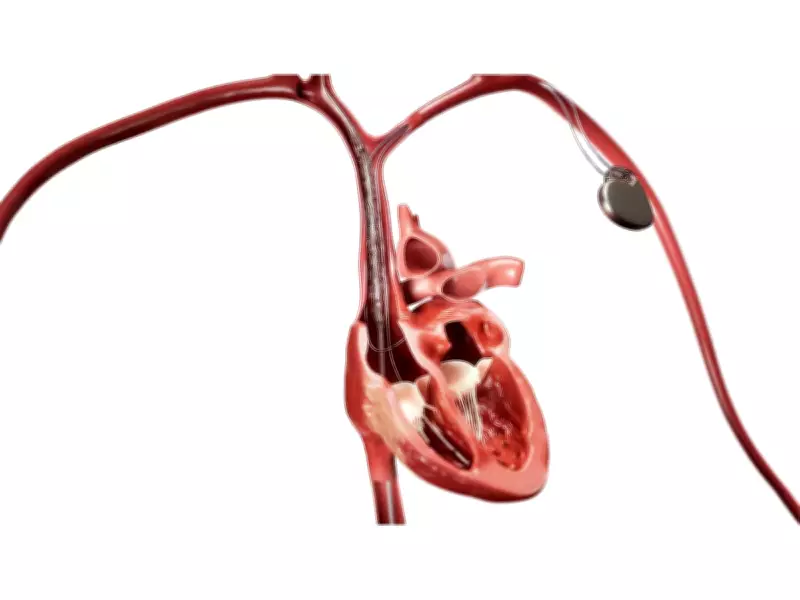
Lead extraction procedures are commonly performed to remove leads from cardiac implantable electronic devices (CIEDs), such as pacemakers or defibrillators, due to damaged, infected, or malfunctioning leads. While lead extraction is generally safe, SVC tears remain a rare but severe complication, occurring in fewer than 0.5% of cases. Without immediate intervention, such tears can quickly become fatal.
The Bridge Plus balloon is specifically engineered for these emergencies. It can be deployed in less than two minutes, stopping up to 90% of blood loss and maintaining hemostasis for at least 30 minutes. This provides physicians with crucial time to stabilize the patient and prepare for surgical repair.

Key Features and Clinical Benefits
- Rapid Deployment: The balloon can be inflated in under two minutes, allowing for a swift response when every second counts.
- Effective Hemostasis: It stops up to 90% of blood loss, significantly reducing the risk of hemodynamic collapse.
- Sustained Stability: The device maintains acceptable hemostasis for at least 30 minutes, providing a window for surgical intervention.
- Proven Technology: Based on the Bridge Occlusion Balloon, which has been used in over 50,000 procedures in the U.S., with evidence showing improved survival when staged in advance.
Expert Opinions and Clinical Evidence
“Ensuring procedural safety is a top priority for electrophysiology teams,” said Stacy Beske, Business Leader for Image-Guided Therapy Devices at Philips. “Bridge Plus builds on established technology to help physicians prepare for rare SVC tears and respond quickly with the control needed to stabilize patients and transition to surgery.”
Clinical evidence underscores the importance of preparedness. Studies have shown that survival rates in SVC tear events improved from 56.9% to 88.2% when an occlusion balloon was staged and available during procedures. Dr. Thomas Callahan, an electrophysiologist at Cleveland Clinic who studied the technology, commented: “Although superior vena cava tears are rare, they represent one of the most critical emergencies that can occur during lead extraction. Having an occlusion balloon staged and ready can significantly improve response time when every second matters. This technology may help teams prepare for these rare but serious events and support safer lead extraction procedures.”
References
- SVC tears occur in <0.5% of lead extraction procedures.
- Deployment time under two minutes.
- Stops up to 90% blood loss.
- Maintains hemostasis for at least 30 minutes.
- Used in more than 50,000 U.S. procedures.
- Survival improved from 56.9% to 88.2% with staged balloon.
- Evidence of safe lead extraction use.
With the launch of Bridge Plus, Philips continues to advance patient safety in cardiac procedures, offering electrophysiology teams a critical tool to manage rare but life-threatening emergencies.