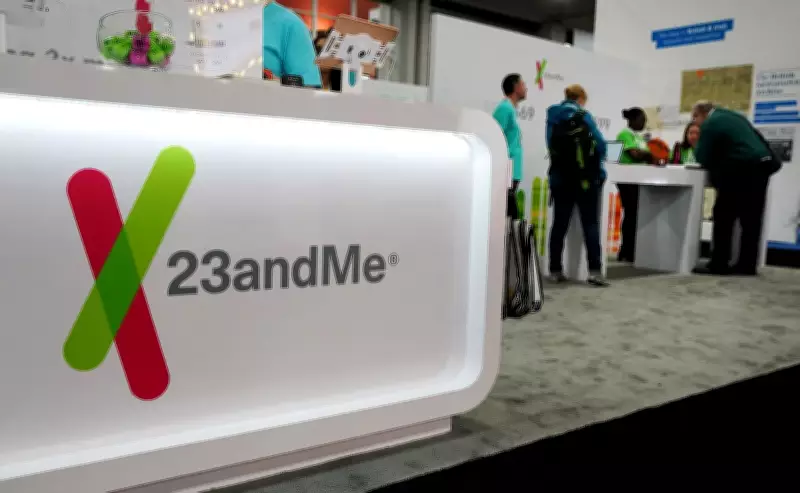
Genetic testing firm 23andMe has filed for bankruptcy, sending shockwaves through the biotechnology industry. The company, once valued at billions, filed for Chapter 11 bankruptcy protection on March 24, 2025. This development marks a dramatic fall for the Silicon Valley startup that popularized at-home DNA testing.
Rise and Fall of 23andMe
Founded in 2006, 23andMe offered consumers insights into their ancestry and health predispositions through simple saliva tests. The company reached a peak valuation of $6 billion in 2021 after going public via a SPAC merger. However, declining sales, regulatory challenges, and data privacy concerns contributed to its downfall.
Factors Leading to Bankruptcy
Several factors led to 23andMe's financial collapse. First, the market for direct-to-consumer genetic testing became saturated. Second, the company faced numerous lawsuits over data breaches and privacy violations. Third, the FDA imposed strict regulations on health-related genetic tests, limiting the company's ability to market its products.

In 2023, 23andMe suffered a major data breach affecting 6.9 million users, exposing sensitive genetic information. This incident severely damaged consumer trust and led to a class-action lawsuit. The company's stock price plummeted from over $300 per share in 2021 to less than $1 by early 2025.
Impact on Customers
Current 23andMe customers are concerned about the fate of their genetic data. The company has stated that it will continue operations during bankruptcy proceedings and that customer data remains secure. However, experts warn that data could be sold to the highest bidder as part of asset liquidation.
Industry analysts suggest that the bankruptcy could lead to consolidation in the genetic testing space. Competitors like AncestryDNA and MyHeritage may acquire 23andMe's assets, including its vast genetic database of over 12 million customers.
Regulatory Scrutiny
The bankruptcy also raises questions about regulatory oversight of genetic data. Privacy advocates are calling for stronger laws to protect consumer genetic information from being misused or sold without consent. The Federal Trade Commission has launched an investigation into the handling of user data during the bankruptcy process.
In a statement, 23andMe CEO Anne Wojcicki said, "We are committed to navigating this process responsibly and ensuring the best outcome for our customers and stakeholders." The company has secured debtor-in-possession financing to support operations during restructuring.
The bankruptcy filing marks the end of an era for direct-to-consumer genetic testing, but it also underscores the challenges facing companies that handle sensitive personal data.