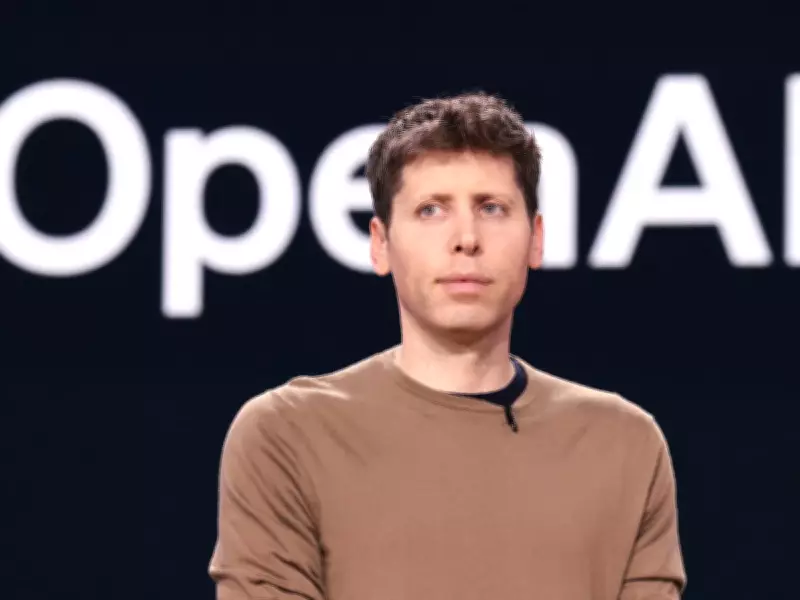
OpenAI's legal victory over Elon Musk has cleared a major hurdle, but the ChatGPT maker still faces significant unknowns as it prepares for an initial public offering. The company aims to file for an IPO in the coming days or weeks, with a target of going public in the fall, according to a person familiar with the matter. This move could help OpenAI beat rival Anthropic to the public markets and attract investors.
Ongoing Challenges
Despite the dismissal of Musk's lawsuit, OpenAI confronts a mix of legal, competitive, and business challenges. The trial rehashed internal tensions, with multiple former executives expressing concerns about Sam Altman's management and trustworthiness. These issues resurfaced questions that led to Altman's brief ouster as CEO in 2023. Additionally, new disclosures about Altman's financial holdings in businesses that deal with OpenAI have drawn scrutiny from a Republican-led House Oversight Committee.
Competitive Landscape
OpenAI faces heightened competition from Anthropic, which is experiencing rapid revenue growth and is in talks to raise funding at a valuation exceeding $900 billion. Google has also accelerated its AI efforts, prompting OpenAI to declare a 'code red' late last year. While OpenAI's coding agent Codex now has over four million weekly users and its GPT-5.5 model has been well received, the company has missed some internal revenue and user targets. CFO Sarah Friar countered that OpenAI is meeting its objectives and seeing a 'vertical wall of demand.'

Advantages and Risks
OpenAI's early push to secure vast computing capacity gives it an edge over Anthropic, which has faced constraints limiting customer service. However, the company's reputation has been affected by negative perceptions, with the trial highlighting internal strife. Macroeconomic factors like inflation and geopolitical uncertainty also pose risks to the IPO timeline.