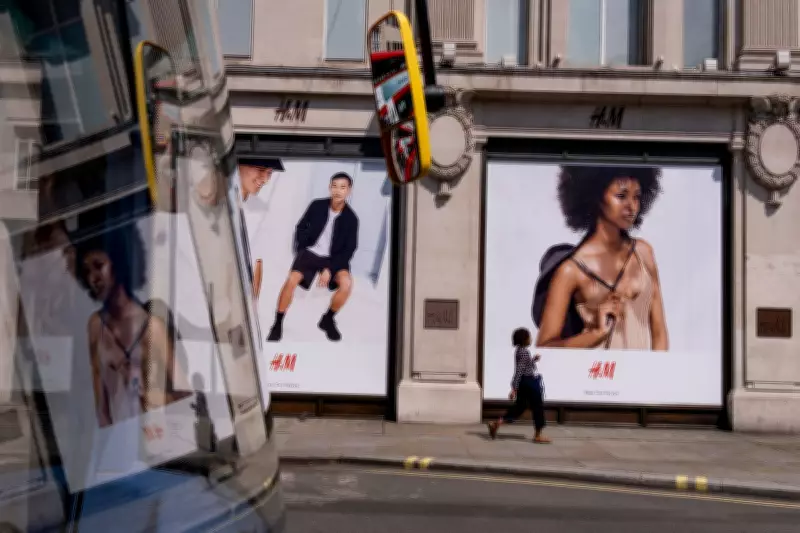
Fashion giant H&M has announced plans to create digital versions of some of its human models using artificial intelligence, sparking widespread criticism and ethical debates within the fashion industry.
The Announcement
H&M revealed its intention to develop AI-generated clones of models, aiming to streamline marketing campaigns and reduce costs. The digital avatars would be used in online stores, advertisements, and social media content, potentially replacing human models in certain contexts.
Industry Reaction
Not everyone is happy with the move. Models, agents, and advocacy groups have expressed concerns about job displacement, consent, and the ethical implications of creating digital replicas without clear guidelines. The use of AI clones raises questions about ownership of likeness and the potential for exploitation.

Critics argue that this technology could undermine the livelihoods of human models, especially those who rely on regular work for income. There are also fears that digital clones may perpetuate unrealistic beauty standards, as AI can manipulate appearances to an idealized version.
H&M's Defense
H&M has stated that the digital models are intended to complement, not replace, human talent. The company emphasizes that the AI clones will be created with the consent of the original models and that they will be compensated for the use of their likeness. H&M also claims that the technology will allow for greater diversity and inclusivity, as digital avatars can be customized to represent a wider range of body types, ages, and ethnicities.
Broader Implications
The controversy highlights the growing tension between technological innovation and labor rights in the fashion industry. As AI becomes more sophisticated, similar debates are likely to emerge in other sectors, such as entertainment and advertising. The H&M case could set a precedent for how companies navigate the ethical landscape of digital replicas.
Industry observers note that while AI offers efficiency and creativity, it also poses risks to human workers. The challenge lies in finding a balance that leverages technology without sacrificing ethical standards or human dignity.
What's Next?
As H&M moves forward with its plans, the fashion world will be watching closely. The company may face legal challenges or public backlash that could force a reevaluation of its strategy. For now, the debate over AI clones continues, with no easy answers in sight.