Iga Swiatek Voices Frustration Over Intense Scrutiny at Grand Slam Events
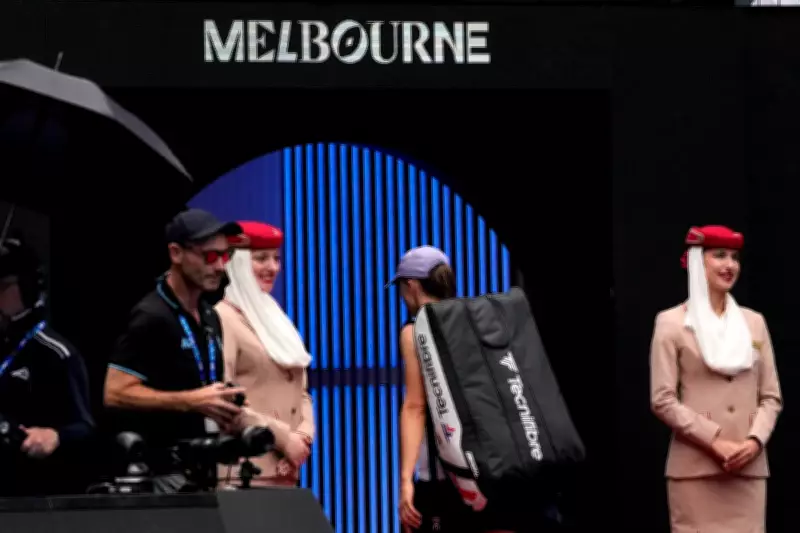
Following her quarterfinal exit at the 2026 Australian Open, Polish tennis star Iga Swiatek has sparked a significant conversation about the pressures and treatment of elite athletes at major tournaments. The world's top-ranked player did not mince words, drawing a stark comparison between the environment at Grand Slams and that of a zoo.
A Candid Critique of the Tournament Atmosphere
Swiatek's comments came after her straight-sets defeat to Kazakhstan's Elena Rybakina in Melbourne. She expressed feeling overwhelmed by the constant attention from media and spectators, describing a sense of being constantly observed and analyzed. "There are moments when it feels less like a sporting competition and more like being on display," Swiatek remarked in her post-match press conference.
The four-time Grand Slam champion elaborated on the psychological toll of navigating crowded player areas, relentless interview requests, and the pervasive presence of cameras. She emphasized that while athletes appreciate fan support, the current intensity can feel dehumanizing and distracting from performance.

The Broader Context of Athlete Welfare in Professional Tennis
This is not the first time a tennis professional has raised concerns about the tournament environment. The sport's global schedule, with its concentrated major events, creates unique pressures. Swiatek's critique touches on several key issues:
- The balance between media obligations and competitive preparation
- The physical and mental space afforded to players during tournaments
- The impact of constant public scrutiny on athlete mental health
- The comparison to other professional sports and their handling of player access
Her comments arrive during a period of ongoing discussion about player conditions on tour, including scheduling, prize money, and support structures. The Australian Open, as the first Grand Slam of the year, often sets the tone for these conversations.
Reactions and Potential Implications
While tournament organizers have not issued an official response, Swiatek's stature as the world's top player ensures her perspective carries considerable weight. Fellow competitors and sports psychologists have begun weighing in on the debate, with many acknowledging the validity of her concerns while noting the commercial realities of modern sports.
The incident highlights a growing tension in professional athletics between commercial spectacle and athlete well-being. As tennis continues to globalize and expand its audience, finding sustainable models for player interaction remains a critical challenge for governing bodies like the ATP, WTA, and Grand Slam committees.
Swiatek's willingness to speak openly about these pressures may encourage other athletes to voice similar concerns, potentially prompting reviews of player protocols at major events. Her performance-focused mindset suggests this critique stems from a desire to optimize the competitive environment rather than merely criticize.