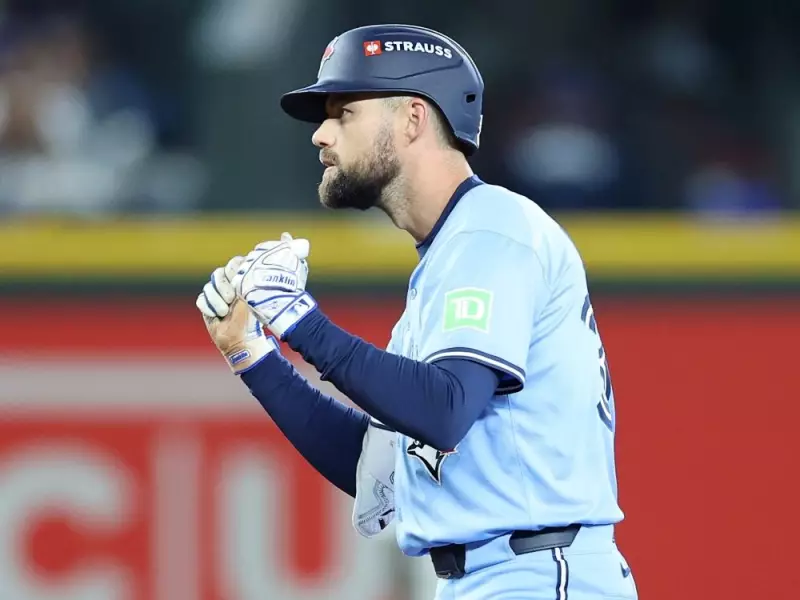
A remarkable hitting performance by Toronto Blue Jays outfielder Nathan Lukes during the 2025 American League Championship Series has unexpectedly triggered a major U.S. sports betting controversy, resulting in a regulatory order for a leading bookmaker to pay out more than $934,000.
The Lucrative Parlay That Broke the Rules
The issue, which became public this week, centres on wagers placed by a Massachusetts resident during the Blue Jays' dramatic seven-game series win over the Seattle Mariners in October. The bettor placed 27 separate parlay wagers totalling $12,950 on Nathan Lukes' hitting output. The bets combined predictions that Lukes would get five-plus, six-plus, seven-plus, and eight-plus hits during the series.
Lukes delivered, registering nine hits in the ALCS, a career-highlight performance for the player who earned $766,800 in the 2025 season. This success made the opportunistic bettor's wagers winners, with a potential payout exceeding $934,000 US.

However, the wagers should never have been allowed. As experienced bettors know, these selections are correlated outcomes—if a player gets eight or more hits, he automatically achieves the lower thresholds of five, six, and seven hits. Standard sportsbook rules prohibit parlays on such directly linked markets to prevent guaranteed profits from obvious errors.
DraftKings' Failed Appeal to Void the Bets
Bookmaker DraftKings moved swiftly to void the wagers, arguing the offering was an obvious mistake on its platform that the customer knowingly exploited. The company's director of legal, Pete Harrington, told the Massachusetts Gaming Commission (MGC) that the bettor violated house rules against wagering on "markets with obvious errors."
"For all intents and purposes, we believe this customer was engaging in fraud," Harrington stated, as reported by Sports Betting News. "It’s deceptive behaviour, with the intention to unethically gain at DraftKings expense. We don’t believe that behaviour should be rewarded or encouraged."
DraftKings claimed the customer's activity was an "extreme deviation from standard behaviours," noting he made seven deposits totalling nearly $13,000 to place the bets—almost double his prior deposit history on the platform.
Regulators Side with the Bettor
This week, the five-person panel of the Massachusetts Gaming Commission unanimously rejected DraftKings' appeal and ordered the company to pay the bettor. The regulators placed the responsibility squarely on the sportsbook.
"It’s the cost of doing business," MGC commissioner Nakisha Skinner said in a statement. "You have to be diligent in your offerings. This is an obvious error for DraftKings … the in-house controls should have caught this error."
The technical failure occurred because Lukes was incorrectly listed as a "non participant" rather than a "player" in DraftKings' system. This classification error bypassed the safeguards that normally prevent correlated parlays. According to compliance reports, the bets were placed online on October 15, with DraftKings noticing and correcting the error the following day.
The Commission's decisive ruling sends a clear message to the rapidly expanding U.S. sports betting industry: regulatory bodies will hold operators accountable for their own technical mistakes, even when bettors aggressively capitalize on them. In this high-stakes case, the house did not win.