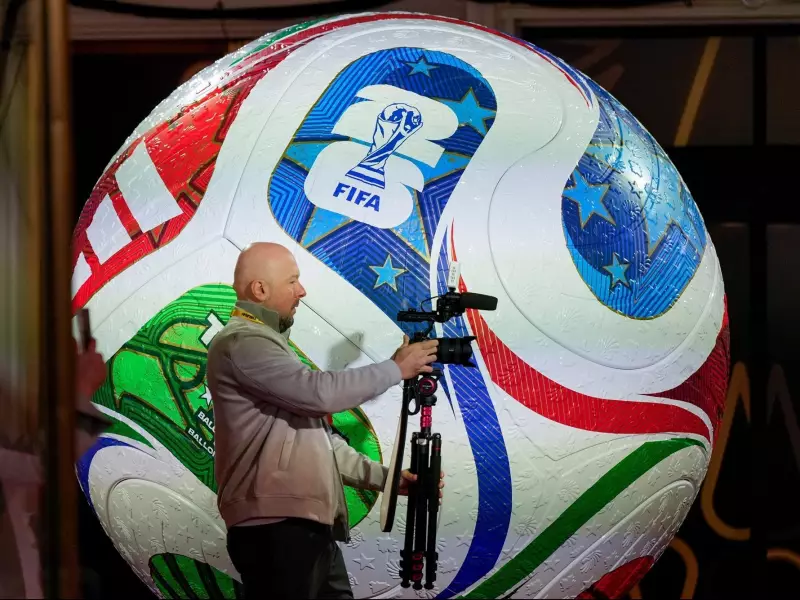
The road to the 2026 FIFA World Cup enters a critical new phase this Friday, as the official draw ceremony in Washington, D.C., begins to shape the landscape of the largest tournament in football history. With an unprecedented 48 nations set to compete across 16 cities in the United States, Mexico, and Canada, the event at the Kennedy Center for the Performing Arts marks a pivotal moment for teams and fans alike.
New Faces and Football Giants Prepare for Draw
The expanded field guarantees a historic World Cup, welcoming first-time participants Cape Verde, Curacao, Jordan, and Uzbekistan. Meanwhile, football powerhouses like defending champion Argentina, led by the iconic Lionel Messi, and top-ranked Spain aim to navigate a new format to claim the trophy. Argentina seeks to become the first back-to-back champion since Brazil in 1962, with Messi eyeing the all-time World Cup scoring record.
FIFA's Chief of Global Football Development, Arsene Wenger, expressed confidence in the quality of the expanded field. "I'm quite optimistic because to qualify you need to beat the other teams of your confederation, and that's a sign of quality," Wenger stated. "The teams are not there by coincidence."

Format, Logistics, and High Ticket Prices
The tournament's new structure features 12 groups of four teams. The top two finishers in each group, plus the eight best third-place teams, will advance to a new round of 32. This format means some nations could progress with just three points from their group matches.
However, access for the average fan has become a significant point of discussion. FIFA has announced dynamic ticket prices ranging from $60 to a staggering $6,730 (US), a steep increase from the 1994 U.S. World Cup. The governing body has declined to release a full price list, breaking from decades of precedent. Parking passes for a single match, such as a semifinal in Arlington, Texas, are being sold for up to $175.
Games will be held in 11 NFL stadiums and five venues across Mexico and Canada. In Toronto, construction is underway to add approximately 17,000 temporary seats to BMO Field, boosting its capacity to about 45,000 for the tournament. Total attendance is projected to smash the 1994 record of 3.59 million spectators.
Political Spotlight and Canadian Involvement
The draw ceremony is expected to carry political weight, with U.S. President Donald Trump, Mexican President Claudia Sheinbaum, and Canadian Prime Minister Mark Carney slated to attend. The event is anticipated to be more formal than the entertainment-heavy 1994 draw in Las Vegas, potentially resembling the ceremony for the 2018 tournament in Moscow.
Retired sports legends from other disciplines, including the NFL's Tom Brady, the NBA's Shaquille O'Neal, the NHL's Wayne Gretzky, and MLB's Aaron Judge, will assist former England captain Rio Ferdinand in conducting the draw. The spectacle, as described by former U.S. defender and current analyst Alexi Lalas, creates "the angst and the looks of sheer terror and disappointment and/or joy and elation from the coaches and from the staffs."
For host nation Canada and its co-hosts, the draw finalizes the first major step toward a tournament that promises to break records but also raises questions about affordability and the evolving nature of the world's most-watched sporting event.