The organizers of the FIFA World Cup 2026 events in Seattle have ignited an international controversy by designating a match between Egypt and Iran as a "Pride Match," a move critics are calling pure political virtue-signalling.
A Clash of Sports and Symbolism
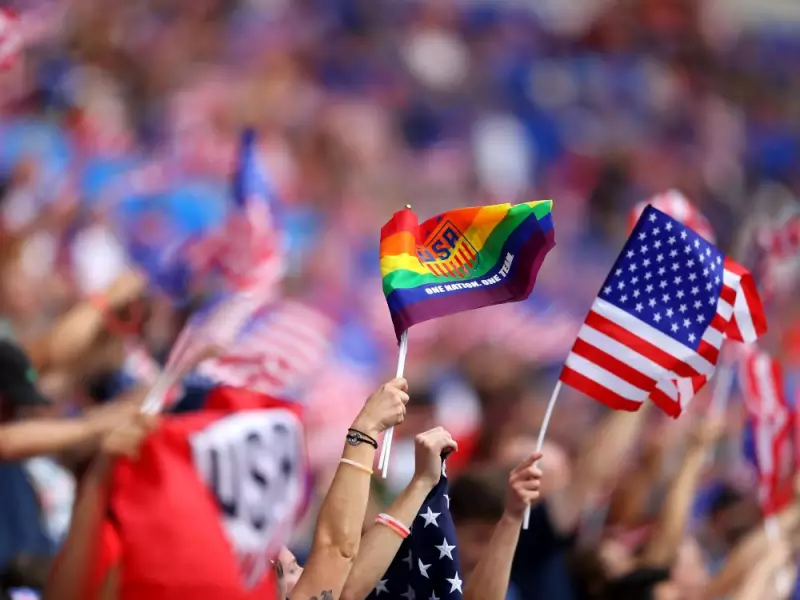
The non-profit group SeattleFWC26 announced it would unofficially brand the June 26, 2026 match with messages and artwork promoting LGBT inclusion. The timing roughly coincides with the start of Seattle's annual Pride Parade. The group stated its aim was to use the global platform to educate, inspire the LGBTQ+ community, and uplift related businesses.
However, this symbolic gesture has met with immediate formal resistance. Both the Egyptian and Iranian football associations have lodged official complaints with FIFA, demanding the cancellation of the Pride branding. They argue the move inappropriately injects politics into sport.

The Stark Reality Behind the Symbolism
Columnist Amy Hamm, in a critical analysis, argues the gesture will do nothing to improve the lives of LGBT people in the competing nations. The reality for gay individuals in both countries is harsh and often dangerous.
In Iran, homophobia is state-sanctioned and can be deadly. While a June 2024 survey suggested around 80% of Iranians reject their political leaders, the regime is brutally repressive. Dissidents, including those criticizing the government or laws on morality, face imprisonment and even execution.
Egypt, where Shariah law influences the legal system, is scarcely safer. While homosexuality is not explicitly outlawed, laws against "debauchery" are routinely used to oppress gay and lesbian citizens.
FIFA's Rules and the Limits of Sports Diplomacy
The controversy tests FIFA's core statutes, which state the organization "remains neutral in matters of politics and religion." However, those same rules also prohibit discrimination based on race, gender, religion, opinion, and sexual orientation. Member associations can face suspension or expulsion for violations.
Critics like Hamm note that neither Iran nor Egypt has been suspended by FIFA because, on the soccer field itself, their teams do not bring politics into play. The proposed "Pride Match" branding, organized by the local host committee and not the teams, is seen by some as a one-sided political act that fails as meaningful diplomacy.
The debate raises fundamental questions about the role of international sporting events. Can they be platforms for social change, or should they remain arenas where sport itself is the sole focus? As the 2026 World Cup approaches, the Seattle controversy highlights the difficult balance between advocacy and neutrality on the global stage.