Soccer's Rising Tide in Nova Scotia Creates Infrastructure Pressure
The beautiful game is experiencing a remarkable surge in popularity across Nova Scotia, creating both excitement and logistical challenges for the province's sporting community. With participation rates climbing steadily across all age groups, a significant infrastructure gap has emerged, particularly when it comes to indoor playing facilities that allow for year-round training and competition.
The Current Indoor Soccer Landscape
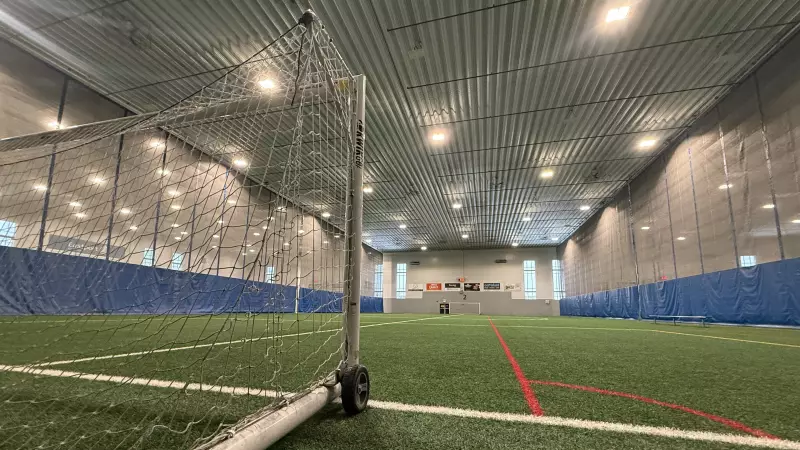
Presently, the Halifax area boasts just two dedicated indoor soccer facilities, with the BMO Soccer Centre serving as one of these crucial hubs. This limited availability creates intense competition for field time among various clubs, recreational leagues, youth programs, and adult teams. The scarcity of indoor space means many aspiring players face restricted access during the colder months when outdoor fields become impractical or unsafe for regular use.
Growing Participation Drives Demand
Soccer's appeal has expanded dramatically in recent years, attracting participants from diverse backgrounds and age ranges. Youth enrollment has seen particularly strong growth, with many parents and coaches citing the sport's accessibility, relatively low equipment costs, and inclusive nature as key factors driving this trend. Adult recreational leagues have similarly expanded, creating additional pressure on existing facilities that were designed for a different era of participation levels.

Community Advocates Amplify Their Voices
Sports organizations, municipal representatives, and community advocates are increasingly vocal about the need for strategic investment in indoor soccer infrastructure. Their arguments center on several key points:
- Year-Round Accessibility: Indoor facilities would allow Nova Scotians to play soccer throughout the winter months, supporting physical activity and community engagement during traditionally sedentary seasons.
- Competitive Development: Without adequate indoor training spaces, local talent development suffers, potentially limiting opportunities for Nova Scotian athletes to compete at higher levels.
- Economic Benefits: Multi-use sports facilities can generate economic activity through tournaments, equipment sales, and related services while creating employment opportunities.
- Health and Wellness: Regular physical activity through organized sports contributes to both physical and mental health outcomes, reducing strain on healthcare systems.
Looking Toward Solutions
While the challenge is significant, several potential pathways forward have emerged in discussions among stakeholders. These include public-private partnerships for facility development, repurposing underutilized industrial or commercial spaces, and incorporating soccer-specific designs into broader recreational infrastructure projects. Some advocates suggest that modular or temporary structures could provide interim solutions while permanent facilities are planned and constructed.
The conversation around indoor soccer fields in Nova Scotia reflects broader questions about how communities prioritize recreational infrastructure amid competing demands. As soccer's popularity continues its upward trajectory, the pressure for adequate facilities will likely intensify, making this an increasingly prominent issue for municipal planners, sports organizations, and community members across the province.