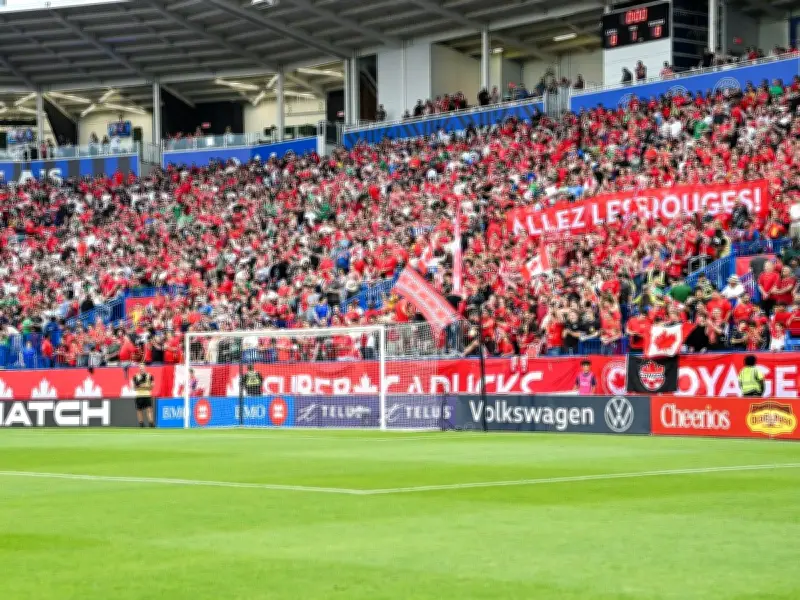
Lee Kormish, a columnist for the Saskatoon StarPhoenix, has voiced strong criticism against the new leadership of FIFA, accusing them of making poor decisions that threaten the integrity and appeal of the upcoming World Cup. In a recent article, Kormish highlights a disheartening experience at a friendly match between Canada and the Republic of Ireland in Montreal, which ended in a 1-1 draw. While the match itself was lackluster, the real concern lies in the direction FIFA is taking under President Gianni Infantino.
A Shift from Corruption to Greed
According to Kormish, the 2022 World Cup in Qatar marked the end of the old regime, which was plagued by corruption. The new regime, led by Infantino, was supposed to bring a fresh start. However, Kormish argues that corruption has simply been replaced by greed. The old leadership, despite its flaws, was traditionalist and prioritized affordability and fan experience. In contrast, the new FIFA seems focused on maximizing revenue at the expense of fans and the tournament's heritage.
Multi-Country Hosting Concerns
One of the major issues Kormish raises is the decision to have three countries host the 2026 World Cup: the United States, Canada, and Mexico. He questions the logic of involving only two cities in Canada and three in Mexico, suggesting the tournament should have been entirely in the United States. This move, he claims, sets a problematic precedent for future tournaments, such as the 2030 World Cup, which will span six countries across three continents—Uruguay, Paraguay, Argentina, Morocco, Portugal, and Spain. Kormish argues that this dilutes the significance of hosting rights and is driven by financial motives, particularly to return to the Middle East for lucrative deals.

Expanded Tournament Format
Another contentious decision is the expansion of the World Cup from 32 to 48 teams starting in 2026. Kormish believes that 32 teams was the perfect number, ensuring competitive group stage matches. With 48 teams, he fears that non-competitive sides will struggle to score goals, diminishing the quality of the tournament. He recalls that the announcement of Saudi Arabia as the 2034 host was met with little fanfare, further evidence of FIFA's declining transparency and fan engagement.
Fan Discontent
Kormish recounts a conversation with a fellow Canadian soccer supporter, a father who expressed dismay at FIFA's direction, saying, "They're wrecking the World Cup." This sentiment, Kormish notes, is shared by many traditional fans who feel that the new regime is prioritizing profits over the spirit of the game. The author concludes that while the old regime had its issues, it at least respected the traditions that made the World Cup the greatest sporting event on earth.