Iran's Women's Soccer Team Begins Asian Cup Campaign with Loss to South Korea
The Iranian women's national soccer team faced a challenging start to their 2026 Women's Asian Cup journey, falling to South Korea in their opening group stage match. The contest took place on Monday, March 2, 2026, at a stadium on the Gold Coast in Australia, drawing attention from fans and media amidst broader geopolitical tensions involving Iran.
Match Details and Competitive Atmosphere
Despite being far from the conflict zones affecting their homeland, the Iranian players competed with determination in a highly anticipated fixture. South Korea, a strong contender in Asian women's soccer, managed to secure a victory, though the specific scoreline was not detailed in initial reports. The match showcased the growing talent and competitiveness in women's soccer across the continent, with both teams displaying skill and resilience on the field.
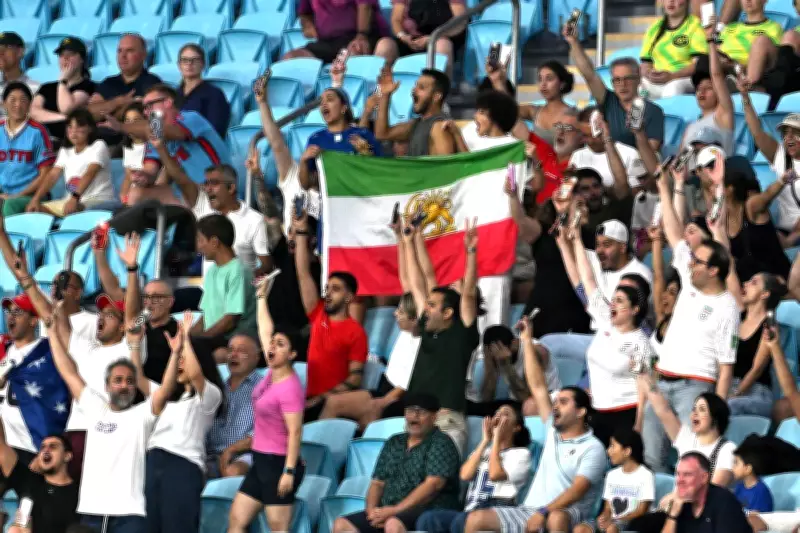
Iranian supporters were present in the stands, reacting passionately to the action as captured in photographs from the event. Their presence highlighted the global diaspora's connection to national teams, even during times of international strife. The Women's Asian Cup serves as a premier tournament for the sport in Asia, featuring top teams vying for regional supremacy and qualification for larger international events.

Broader Context and Tournament Significance
This match occurred against a backdrop of significant political developments, including recent military actions and leadership changes in Iran. However, the focus on the soccer field remained on athletic performance and sportsmanship. The tournament provides a platform for women athletes to excel and inspire, contributing to the advancement of gender equality in sports across participating nations.
For Iran, participation in such international competitions is crucial for developing women's soccer programs and fostering youth engagement. The team's performance in subsequent matches will be closely watched as they aim to progress in the tournament. Meanwhile, South Korea's victory reinforces their status as a powerhouse in Asian women's soccer, with aspirations to claim the championship title.
The Women's Asian Cup continues with more group stage matches, leading to knockout rounds that will determine the continental champion. This event not only highlights athletic prowess but also promotes cultural exchange and unity through sports, offering a respite from geopolitical conflicts for players and fans alike.