British Columbia's iconic ski hills are facing a stark and snowless start to winter, as unseasonably warm temperatures have forced major resorts to delay their openings. The situation is raising alarms within the industry and among climate scientists, who see it as part of a troubling long-term trend.
Record-Breaking Warmth Halts Winter Sports
Mid-December in British Columbia has felt more like spring than winter. On Monday, December 16th, temperatures soared to record-breaking highs across the province. Vancouver hit 15.7°C, shattering the previous record for the date. In total, 27 towns and cities across B.C. set new daily temperature records.
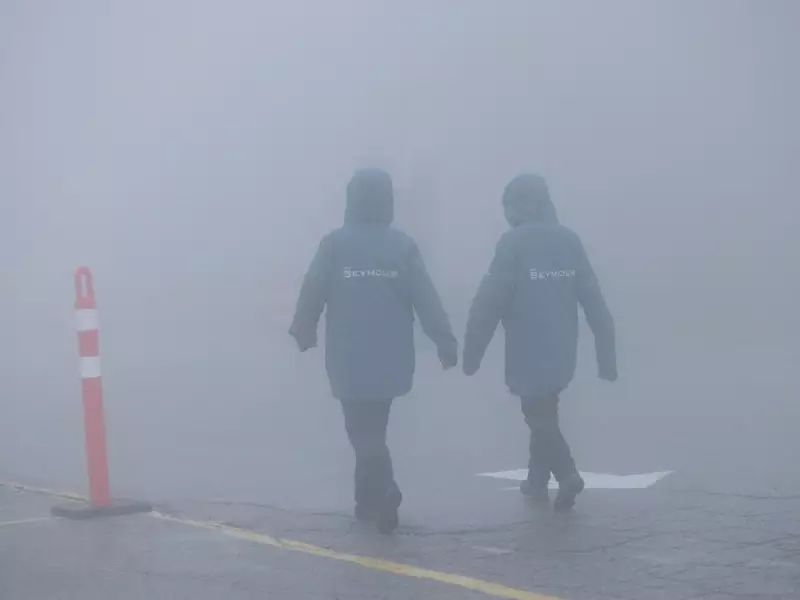
The impact on winter recreation has been immediate and severe. The three major ski hills in North Vancouver—Grouse Mountain, Cypress Mountain, and Mount Seymour—have all been unable to open their slopes to skiers and snowboarders due to a critical lack of snow. Photographs from December 15th show a foggy, snowless Mount Seymour, a sight that is becoming increasingly common.

A Pattern Defying Expectations
While warm disruptions to the ski season are not unheard of—a similar event occurred in 2023—this year's warmth is particularly unexpected. The province is currently under a La Niña weather pattern, which historically brings colder and wetter conditions to the Pacific Northwest.
"Instead, La Nina has just brought a lot of rain and not much snow, at least on the coast," the pattern notes, suggesting these climate phenomena may be changing. UBC professor Michael Pidwirny, who recorded a temperature of 10°C in Kelowna (11 degrees above normal), has observed a clear warming trend. "Going back 30 to 40 years, you can see the La Ninas are gradually getting warmer and warmer," Pidwirny stated. "They don't provide the cold temperatures they once did."
Resorts are holding out hope for a change. Karla Grenon of Cypress Mountain indicated they are monitoring forecasts closely, awaiting colder air that will allow snowmaking operations to resume. Environment Canada meteorologist Derek Lee confirmed that cooler temperatures and snow are expected at higher elevations, potentially beginning around December 25th.
Long-Term Threats to a Billion-Dollar Industry
The immediate frustration for ski enthusiasts points to a much larger, existential threat. Professor Pidwirny is preparing to present research suggesting that even world-renowned resorts like Whistler could face serious trouble by 2050 due to climate change.
He notes that extremely warm seasons, such as those in 2014-2015 and the 1980s, are becoming more frequent. This pattern jeopardizes not just a beloved pastime but a vital sector of B.C.'s economy that supports thousands of jobs and generates significant tourism revenue.
The barren slopes of December 2025 serve as a visible, immediate reminder of the broader climatic shifts underway. As communities and businesses adapt to the short-term weather, the long-term forecast demands urgent attention and action.