Russia's Olympic Ban: Understanding the 2026 Winter Games Controversy
As the 2026 Winter Olympics approach in Italy, spectators worldwide will notice a significant absence: Russia's national flag and anthem will not be displayed or heard during the Games. This continues the policy from the 2024 Summer Olympics in Paris, where Russian symbols were similarly prohibited despite the participation of individual Russian athletes.
The Foundation of the Ban: Violating Olympic Principles
The International Olympic Committee (IOC) initially suspended the Russian Olympic Committee in February 2022, citing Russia's full-scale invasion of Ukraine as a direct violation of the Olympic Truce. This United Nations resolution aims to ensure safe passage for athletes during the Games and promote long-term global peace, typically lasting nearly two months from before the Olympics until after the Paralympics conclude.
The suspension was further justified when Russia breached the Olympic Charter by unilaterally incorporating regions from Ukraine's National Olympic Committee within its own, thereby violating territorial integrity principles that form the foundation of international sporting governance.

Neutral Athlete Participation: A Compromise Position
Despite the comprehensive ban on Russia as a nation, the IOC has established a pathway for individual athletes to compete under strict conditions. In January 2023, the committee announced that athletes from Russia and Belarus—which served as a staging ground for portions of the invasion—could participate as "neutral athletes" who "in no way represent their state or any other organization in their country."
This compromise allows qualified athletes to compete while maintaining the symbolic punishment against the Russian state. Teams remain prohibited, ensuring no collective Russian representation occurs at the Games.
The 2026 Winter Games Implementation
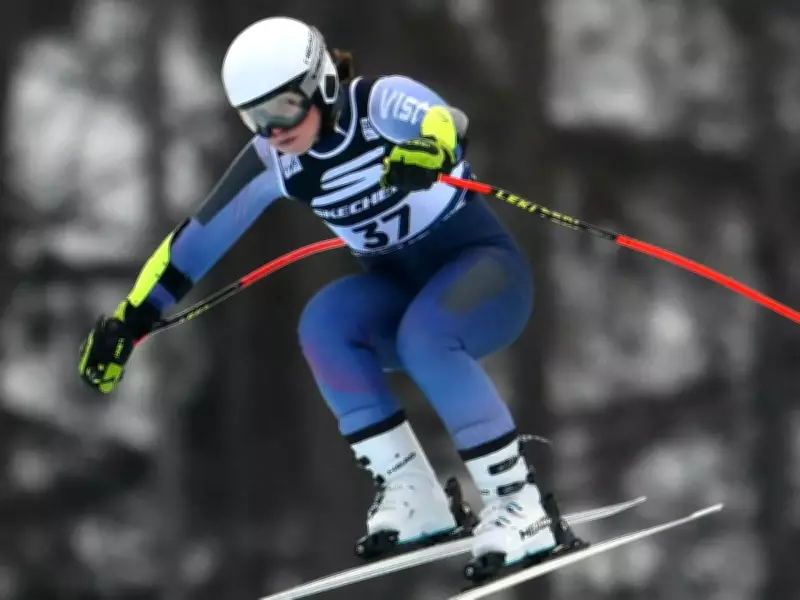
For the upcoming Winter Olympics in Italy, only 13 Russian athletes have been deemed eligible to compete as neutral individuals after thorough vetting processes. Among them is alpine skier Julia Pleshkova, who will participate without national symbols or representation when the Games officially open on February 6, 2026.
The precedent was set during the 2024 Paris Olympics, where 32 Russian and Belarusian athletes competed as "individual neutral athletes" (AINs). Of the 15 Russian participants in Paris, only the women's tennis doubles team of Mirra Andreeva and Diana Shnaider managed to medal, demonstrating how the ban affects team dynamics and national representation even when individual participation is permitted.
Political Controversy and Future Implications
The situation remains politically charged, particularly after newly elected IOC President Kirsty Coventry suggested in March 2025 that she opposed banning countries from the Games over international conflicts. Coventry proposed creating a task force "to set out some policies and some guiding frameworks that we as the movement can use to make decisions when we are brought into conflicts."
Ukrainian officials quickly denounced this suggestion, with Deputy Sports Minister Yuri Muzyka stating, "In the Russian Federation, sport is part of state policy; it has no autonomy, and athletes and officials are part of the state propaganda machine." This perspective highlights the ongoing debate about whether neutral athlete participation sufficiently addresses concerns about sport being used for political purposes.
The IOC maintains its commitment to upholding the ban on Russia as a nation while allowing carefully vetted individuals to compete, creating a complex landscape for the 2026 Winter Games that balances athletic opportunity with geopolitical realities.