The International Olympic Committee (IOC) has delivered a definitive ruling regarding Russia's participation in the upcoming Winter Games. IOC President Thomas Bach stated that Russian athletes will not be permitted to represent their country at the 2026 Milan-Cortina Olympics, a ban that will stand even if the war in Ukraine ends before the event. This firm stance extends the ongoing exclusion of Russian national teams from major international sports competitions.
A Definitive Stance on National Representation
The announcement, reported by Reuters on January 2, 2026, removes any speculation about a potential return for Team Russia under its flag, anthem, or official delegation at the next Winter Olympics. The decision underscores the IOC's continued response to the ongoing conflict, maintaining that the conditions for Russia's full reintegration have not been met. The ruling focuses specifically on national representation, leaving a narrow pathway for individual athletes to potentially compete as neutrals, as seen in previous events, but without their country's symbols.
Context and Implications for Milan-Cortina 2026
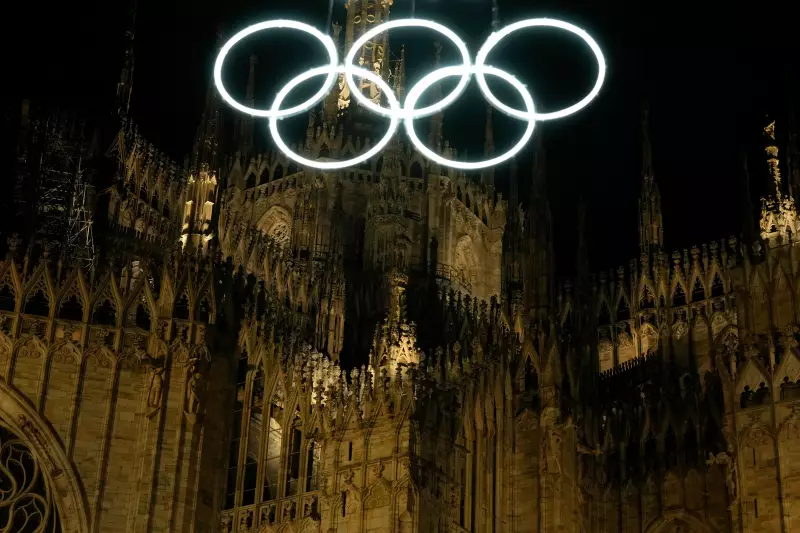
The 2026 Winter Olympics are scheduled to be held in Milan and Cortina d'Ampezzo, Italy. The iconic Olympic rings are already displayed in Milan, as seen in an Associated Press photo from December 27, 2025. The IOC's preemptive decision aims to provide clarity for athletes, sports federations, and organizers with the Games now just over a year away. It signals that the geopolitical consequences of Russia's actions continue to reverberate through the world of sport, independent of future diplomatic developments in the conflict.

This position reinforces a policy that has been in effect since the invasion of Ukraine began in 2022. Major sporting bodies, including World Athletics and FIFA, have upheld similar bans on Russian and Belarusian national teams. The IOC's latest statement confirms this isolation will persist on the Olympic stage for at least another Winter cycle, significantly impacting sports where Russian athletes have traditionally been strong contenders.
Looking Ahead: Sport and Geopolitics
The definitive nature of Bach's statement suggests the IOC is preparing for a Games without an official Russian presence. This move will likely influence qualifying events and the final composition of the athlete field in 2026. While the door remains technically open for individuals under a neutral banner, the absence of a Russian national team will be a prominent feature of the Milan-Cortina Olympics. The decision highlights the complex and often protracted intersection of international sports governance with global political conflicts, setting a precedent for how such institutions respond to prolonged crises.