The 2026 Milan Cortina Winter Olympics have proven to be a challenging stage for U.S. Vice President JD Vance, marking a series of public relations setbacks that have captured international attention. From the outset, his presence has been met with vocal disapproval and logistical mishaps, creating a narrative far removed from the typical diplomatic pomp associated with such global events.
A Rocky Start at the Opening Ceremony
Vance's Olympic journey began on a sour note during the Milan Cortina Opening Ceremony, where he was audibly booed by sections of the crowd. This immediate rejection set the tone for what would become a contentious visit, highlighting the polarizing nature of his political profile on the world stage. The incident quickly fueled discussions about the reception of American political figures abroad during times of heightened global tensions.
Social Media Firestorm and Policy Protests
Compounding the initial embarrassment, Vance faced scorching criticism on social media platforms following his public support for the U.S. women's hockey team. Critics lambasted his remarks, accusing him of insincerity or poor timing, which amplified the negative coverage surrounding his trip. Simultaneously, Milanese citizens organized gatherings to protest the immigration policies associated with former President Donald Trump and now Vice President Vance. Demonstrators specifically pushed back against the presence of U.S. Immigration and Customs Enforcement (ICE) officials at the Games, despite assurances that they were not there to search for immigrants. This protest underscored the deep-seated international concerns over American immigration enforcement strategies.

Motorcade Mishap Delays Skating Star
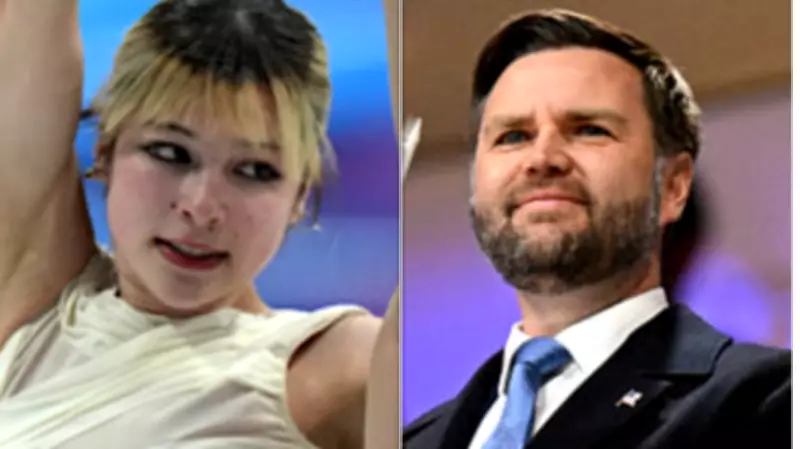
Perhaps the most dramatic incident occurred on Friday, when Vance's motorcade inadvertently created a significant obstacle for American figure skating sensation Alysa Liu. According to a report from The Washington Post, Liu was already running late for her debut at the Milano Ice Skating Arena in the women's short program of the team event. The vice president's convoy blocked her path, threatening her timely arrival and adding unnecessary stress before a critical performance.
We almost didn't make it, Liu's coach, Phillip DiGuglielmo, told the Post, emphasizing the narrow escape from a potential disqualification or rushed start. Despite the delay, Liu managed to glide onto the ice just in time, displaying remarkable composure under pressure. She delivered a strong performance, finishing second behind Japan's Kaori Sakamoto, and helped the U.S. squad secure a lead over Japan by two points and Italy by three points by the end of the day.
Broader Implications and Public Perception
This series of events raises questions about the coordination and impact of high-profile political visits during major international sporting events. The blocking of Liu's route not only risked her individual performance but also reflected poorly on the logistical planning surrounding Vance's security detail. It serves as a stark reminder of how political activities can inadvertently interfere with the athletes' focus and schedules, potentially undermining the spirit of the Games.
Overall, JD Vance's experience at the Milan Cortina Olympics has been marred by a combination of public disapproval, policy-driven protests, and an unfortunate incident affecting a key American athlete. As the Games continue, these episodes may influence both domestic and international perceptions of his leadership and diplomatic approach, adding a layer of political intrigue to the athletic competitions unfolding on ice and snow.