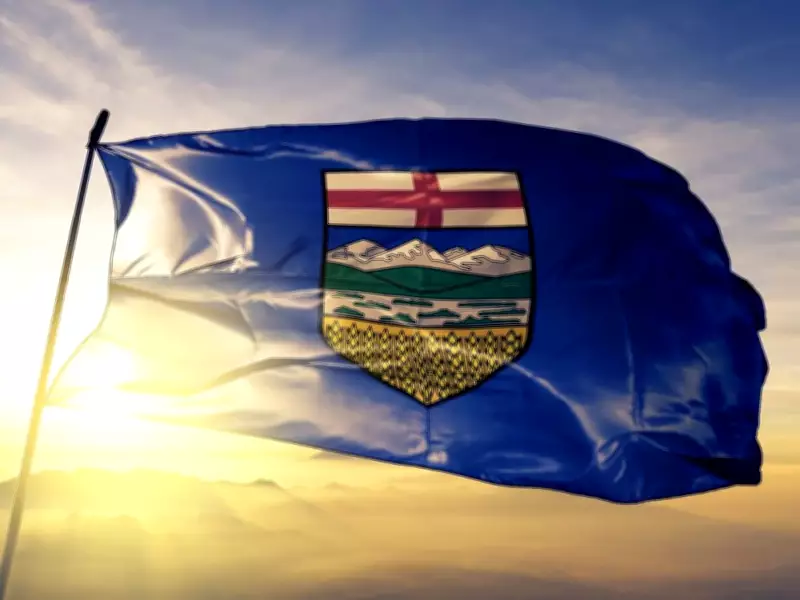
How Would an Independent Alberta Perform at the Winter Olympics?
This intriguing thought experiment raises numerous questions about how a sovereign Alberta would fare on the global stage of the Winter Olympics. While the concept generates more questions than definitive answers, examining the hypothetical scenario reveals fascinating insights into Alberta's athletic potential and the complex realities of international sports competition.
Athlete Representation and Competitive Standing
At first glance, an independent Alberta would likely establish itself as a competitive force at the Winter Olympics, potentially securing multiple medals. Consider the current representation: of Team Canada's 207 athletes competing at the Milan-Cortina Games, 45 hail from Alberta, representing nearly one-quarter of the national team. This substantial contingent would position Alberta as the 14th most represented nation at this year's Games, surpassing New Zealand's 17 athletes while trailing behind Norway's delegation of 80 competitors.
The province's world-class training infrastructure provides significant advantages for developing Olympic-caliber athletes. Alberta boasts premier facilities including the legacy venues from the 1988 Calgary Olympics: Canada Olympic Park, the Olympic Oval, and the Canmore Nordic Centre. These exceptional resources, combined with the province's mountainous terrain, suggest Alberta would continue producing a steady stream of Winter Olympians well into the future.

Complex Questions of Athlete Allegiance
The scenario becomes considerably more complicated when considering athlete loyalty and national identity. Many Alberta-born athletes have grown up dreaming of representing Canada at the Olympics, developing deep emotional connections to the Maple Leaf. Furthermore, numerous Albertans relocate to other provinces to pursue their Olympic ambitions, with destinations like Whistler, British Columbia offering Canada's only Olympic-regulation sliding tracks and ski jumps.
Determining which athletes would represent an independent Alberta versus those who would continue competing for Team Canada presents significant challenges. Would any Canadian who lives in or moves to Alberta be eligible to represent the new republic? How would citizenship and residency requirements be established? Would athletes from other regions maintain Canadian citizenship if they chose to compete for Alberta?
Notable Athlete Scenarios and Eligibility Questions
Consider the case of Connor McDavid, widely regarded as the world's premier hockey player. As captain of the Edmonton Oilers, McDavid has lived in Alberta for nearly a decade, yet he originally hails from Richmond Hill, Ontario. Would this elite athlete be eligible to play for Alberta, where he has established his professional career, or would he continue representing Canada on the international stage?
The reverse scenario involves athletes born and raised in Alberta who now train and reside elsewhere. Two-time Olympic medalist Cassie Sharpe exemplifies this situation: born in Calgary, she moved to Comox, British Columbia at age eight and developed her skiing skills at nearby Mount Washington. Would such athletes maintain their connection to an independent Alberta, or would their current residences determine their national representation?
Additional questions emerge regarding athletes who relocate to Alberta specifically for training advantages. Speedskaters who move to Calgary to train at the Olympic Oval, such as Catriona Le May Doan, or biathletes and cross-country skiers who establish themselves at the Canmore Nordic Centre, might face difficult decisions about national representation. Would these athletes continue choosing Alberta as their training base if it became a separate country, potentially complicating their international competition eligibility?
The Broader Implications of Olympic Participation
Beyond individual athlete decisions, an independent Alberta would need to establish comprehensive sports governance structures, including national Olympic committees, funding mechanisms, and development programs. The province would face the challenge of building international sporting relationships while potentially navigating complex political dynamics with its former Canadian counterparts.

The hypothetical raises fundamental questions about how national identity intersects with athletic achievement. While Alberta's natural advantages and existing infrastructure suggest strong Olympic potential, the psychological and emotional dimensions of national representation create substantial uncertainty about how athletes and the broader sporting community would respond to such a significant geopolitical shift.