The Great Olympic Mascot Hunt: Chasing Tina and Milo in Milan
While world-class athletes pursue gold medals at the 2026 Milan-Cortina Olympic Winter Games, a different kind of hunt has captivated visitors and journalists alike. My quest wasn't for athletic glory but for Tina and Milo, the official stoat mascots whose plush versions have become the most sought-after and elusive souvenirs of the Games.
An Unexpected Obsession Begins
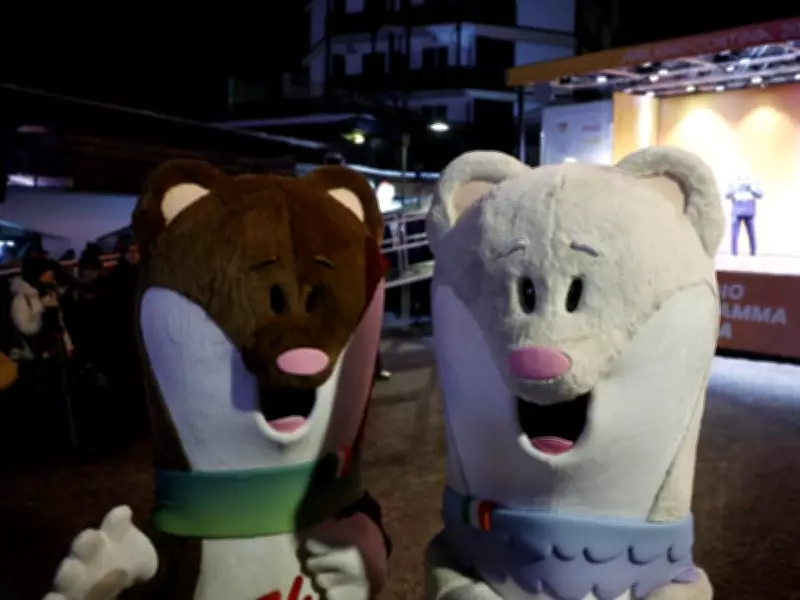
I first encountered Tina and Milo during the Opening Ceremony at San Siro Stadium. Arriving early with my colleague to secure our press positions, we heard sudden bursts of applause and laughter from a distant corner of the stadium. There they were—the stoats, dancing and interacting with delighted spectators, their playful antics immediately capturing hearts.
Tina, representing the Olympic Winter Games with her lighter fur, and her younger brother Milo, the face of the Paralympic Winter Games, have proven to be inspired mascot choices. Everywhere across Milan, visitors excitedly pose with mascot banners, chuckle at their images, and exclaim about their undeniable cuteness.

The Sold-Out Phenomenon
The mascots' popularity has created an unexpected crisis: complete sellouts of plush versions across Milan. This shortage became so significant that it reached the attention of the International Olympic Committee during their daily briefings. The issue became personal when my editor sent a simple but challenging email: "Can we find one?"
Thus began my determined hunt through Milan, armed with granola bars and a substantial water bottle. I joined what has become a global phenomenon, with media outlets worldwide documenting the frustrating quest of Olympic visitors attempting—and mostly failing—to secure these coveted plushies.
The Economics of Mascot Mania
For those fortunate enough to locate them, Tina and Milo plushies command prices ranging from 18 to 58 euros (approximately $21 to $70 USD). In theory, visitors should be able to purchase them at official Olympic retailers throughout Milan. However, by Tuesday night of the Games' first week, even the largest store near Duomo di Milano had been completely emptied of stock.
Olympic athletes actually have an advantage in this mascot hunt, as medal winners receive plush versions along with their bronze, silver, or gold medals during podium ceremonies.
The Hunt Continues
My search led me to Milano Centrale, the city's main train station where many visitors first arrive. Outside the station stands a massive, rectangular building in savoy blue glass with oversized white flowers protruding from its walls. A long line extended from the entrance, initially raising hopes that this might be the elusive mascot source.
Approaching an Olympic staff member at the line's end, I asked if this was indeed the store carrying the mascots. She gestured instead toward the building's right side, where a considerably less impressive structure displayed Olympic-themed clothing on racks and shelves. Inside, I found neatly folded piles of hoodies, sweatshirts, jackets, and beanies—but no sign of Tina or Milo.
The mascot hunt continues across Milan, with these stoat plushies becoming symbolic of both the Olympic spirit and the challenges of souvenir collecting at major international events. Their scarcity has only heightened their desirability, transforming what began as simple mascots into the Games' most talked-about non-athletic phenomenon.