Canadian Olympic Heroes: Athletes Who Won Hearts Without Medals
While Olympic glory is often measured in gold, silver, and bronze, some competitors achieve something more profound: they capture the hearts of a nation through their spirit, perseverance, and inspiring journeys. As we reflect on Olympic history, certain Canadian athletes and international figures competing on Canadian soil stand out not for podium finishes, but for the indelible marks they left on the collective memory of sports fans across the country.
The Flying Twins: Pioneers of Canadian Alpine Skiing
Rhoda and Rhona Wurtele, famously known as The Flying Twins, were pioneers who helped shape women's alpine skiing in Canada. As the only two women representing Canada in the sport at the 1948 Winter Olympics in St. Moritz, Switzerland, these Montreal-born sisters faced significant challenges. Despite not winning medals due to injuries sustained during the games, their legacy extends far beyond competitive results.
Leading up to their Olympic debut, the Wurtele sisters had already established themselves as champions, winning several North American titles after joining the Canadian national team in 1942. Their adventurous spirit was evident from a young age; at just 11 years old, their older brothers challenged them to ski off a 40-metre jump. While their mother prevented press photographers from capturing this risky feat, deeming it not ladylike, the twins continued to push boundaries in a sport that often marginalized female athletes.

Rhoda returned to compete in the 1952 Winter Olympics in Oslo, Norway, placing ninth in the giant slalom. More importantly, both sisters became influential teachers with the Canadian Ski Instructors Alliance for over five decades, inspiring generations of skiers. Inducted into the Canadian Ski Hall of Fame in 1982, they left what the institution describes as an indelible mark on alpine skiing for Canadian women. Rhona passed away in 2020 at age 97, while Rhoda celebrated her 104th birthday in January, their legacy enduring as a testament to perseverance.
Eddie the Eagle: The Unforgettable Underdog of Calgary 1988
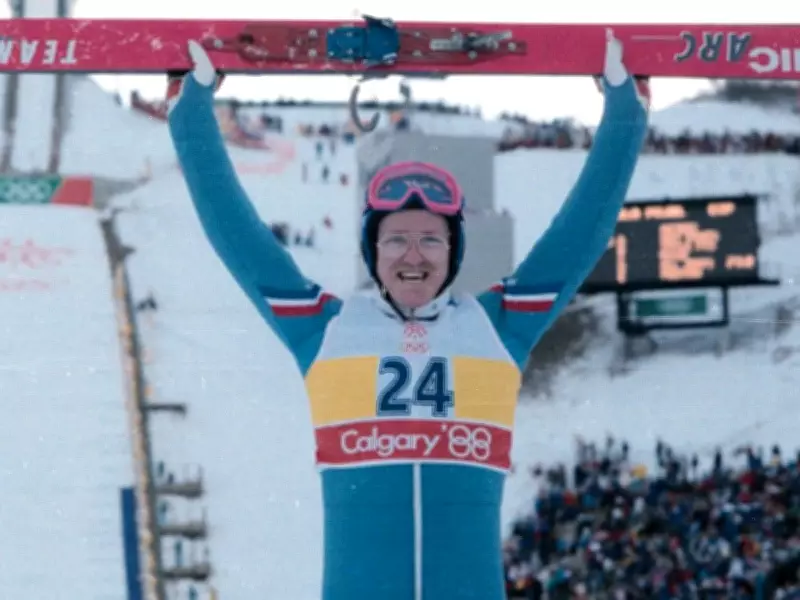
Michael David Edwards, better known worldwide as Eddie the Eagle, became an iconic symbol of determination during the 1988 Winter Olympics in Calgary, Alberta. As a British ski jumper with only two years of experience in the sport, Edwards finished last in his events but won over crowds with his infectious enthusiasm and positive attitude. His story resonated so deeply that Frank King, head of Calgary's organizing committee, mentioned him in the closing ceremony speech, noting how some athletes had soared like an eagle.
Edwards' participation was itself remarkable: he became the first British athlete to compete in Olympic ski jumping simply because nobody else applied when the British Ski Federation sought representatives. Dubbed a hero without a medal by Canadian media, his journey from aspiring stuntman to Olympic competitor captured imaginations globally. His life story was later immortalized in the 2016 biographical film Eddie the Eagle, starring Taron Egerton, ensuring his legacy as an embodiment of Olympic spirit endures.
The Jamaican Bobsleigh Team: Caribbean Spirit on Canadian Snow
The Jamaican bobsleigh team created one of the most memorable moments in Olympic history when they arrived at the 1988 Winter Games in Calgary. Comprising athletes Dudley Tal Stokes, his brother Chris Stokes, Michael White, and Devon Harris, the team represented Jamaica's debut in the sport, transitioning from Caribbean sands to Canadian snow with just five months of training before the competition.
Their presence challenged conventional expectations and celebrated the universal appeal of Olympic competition. While they didn't medal, their story of defying odds and embracing the Olympic ideal resonated deeply with Canadian audiences and viewers worldwide. The team's journey highlighted how the Games can transcend athletic performance, becoming a platform for cultural exchange and human inspiration.

These athletes, among others, remind us that Olympic legacies are built not just on victories, but on courage, innovation, and the ability to inspire. Their stories continue to enrich Canadian sports history, proving that sometimes the most enduring triumphs are those measured in heart rather than medals.