Davis: World Cup of Hockey Should Exclude Warmongering Russia and USA
International sports competitions have humanitarian rules to follow, and columnist Darrell Davis argues that the upcoming World Cup of Hockey must adhere to these principles by excluding nations engaged in military aggression. In a recent opinion piece, Davis calls for keeping Russia out of the tournament and suggests the United States should also face bans unless it ceases its military actions abroad.
Recent Precedents in Sports Sanctions
Warmongering nations have faced bans from international sports competitions, as seen in last month's Winter Olympics in Italy. Russian teams were forbidden from participating, with some individuals allowed only under a neutral flag. This exclusion stems from President Vladimir Putin's 2022 invasion of Ukraine, which led to widespread sanctions against Russian athletes across numerous sports.
Russia, a dominant hockey nation that has produced NHL superstars like Alex Ovechkin and Nikita Kucherov, was also excluded from the inaugural 4 Nations Face-Off held one year before the 2026 Olympics. In that event, Canada defeated the U.S. in the final, though the Americans later secured an overtime victory against Canada in the men's Olympic final.

The Case Against the United States
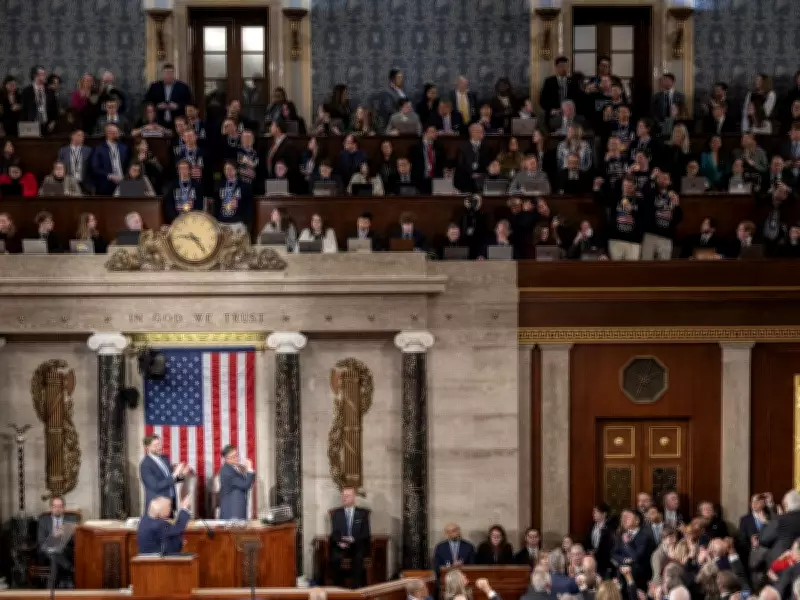
One week after the U.S. hockey team was celebrated in Washington, Israel convinced U.S. President Donald Trump to initiate bombing campaigns in Iran. With ongoing conflicts and no signs of peace, Davis questions the difference between Russia and the U.S. in terms of military aggression.
Why should American athletes be treated differently than their Russian counterparts on the world stage? Yet, there has been limited debate about banning the reigning Olympic champions from the next World Cup of Hockey. The NHL plans to schedule this event every four years, alternating with the Winter Games, to capitalize on the renewed interest in best-on-best hockey competitions.
NHL's Financial Motivations and Political Challenges
NHL Commissioner Gary Bettman and the league's governors previously boycotted the Olympics for 12 years, but the global attention generated by recent Winter Games has highlighted the financial potential of regular top-tier hockey events. Players have long advocated for such competitions, which now allow stars like Connor McDavid and Cale Makar to represent Canada against American opponents such as Auston Matthews and the Tkachuk brothers.
However, political complexities remain a significant hurdle. Bettman recently announced plans for the World Cup of Hockey in 2028, with games set for Edmonton, Calgary, and Prague. Eight teams are expected to compete, though specific countries were not named. Speculation immediately arose about Russia's inclusion, with reports indicating that Czechia, Sweden, and Finland might boycott if Russia participates.
U.S. Actions and International Consequences
No one has questioned the participation of the United States, despite its military engagements. The U.S. has been involved in actions such as killing suspected traffickers and civilians, kidnapping Venezuelan President Nicolás Maduro to control oilfields, and plotting to overthrow Cuba's socialist government. Political observers suggest Trump may be using these wars to divert attention from the infamous Epstein files.
Teaming with Israel in a conflict with Iran represents Trump's most significant and risky maneuver. Davis emphasizes that such actions inevitably carry consequences, including potential exclusion from international sports events that prioritize humanitarian values.
In conclusion, as the World Cup of Hockey approaches, the sports world must grapple with whether to uphold ethical standards by excluding nations engaged in warfare, ensuring that competitions reflect a commitment to global peace and integrity.