World Cup of Hockey 2028: A New Chapter in International Hockey
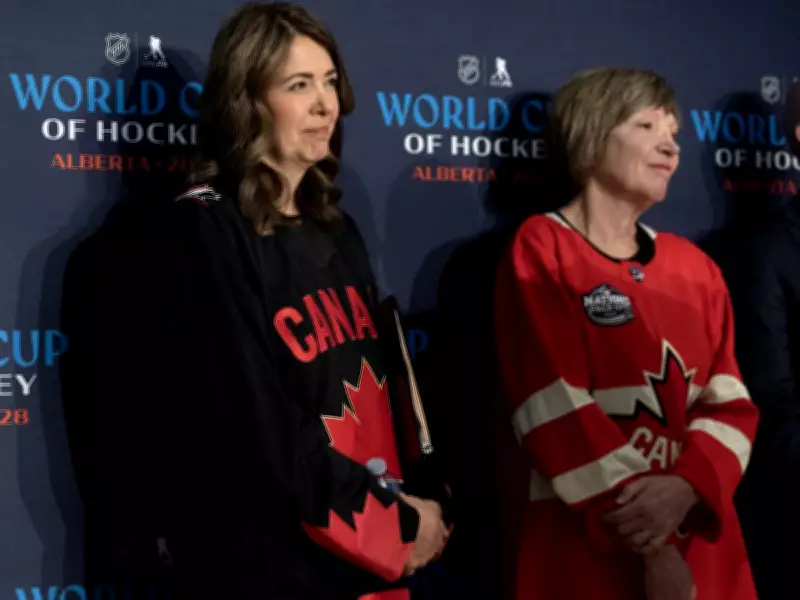
Canadian hockey fans have endured a four-year wait since the heartbreaking overtime loss in Olympic gold, but redemption is on the horizon. Edmonton and Calgary have been announced as co-hosts for the World Cup of Hockey in February 2028, bringing elite international competition to Alberta's ice.
Edmonton and Calgary Unite for Hockey Showcase
In a rare moment of unity, the rival cities of Edmonton and Calgary set aside their Battle of Alberta rivalry to secure the successful North American bid for the tournament. Prague, Czechia, will serve as the European host city, creating a global stage for the event.
Edmonton's Rogers Place will host the tournament's climax, featuring both semi-final matches and the championship final. Meanwhile, Calgary's Scotia Place will stage seven round-robin games, ensuring both cities play crucial roles in the tournament's success.

What Makes the World Cup of Hockey Different?
The World Cup of Hockey represents a distinct approach to international hockey competition. Unlike the Winter Olympic Games, which recently featured NHL players for the first time since 2014, the World Cup is organized exclusively by the NHL itself.
While both tournaments require breaks in the NHL schedule, the World Cup will span 13 days and necessitate a 17-day pause in league play. This compares to the Olympic tournament's 12-day format with a three-week NHL break.
Tournament Structure and Format
The World Cup features an elite eight-nation format, creating a more concentrated best-on-best competition than the Olympic structure. The 2026 Winter Olympics in Cortina Milano featured 12 men's hockey teams divided into three groups:
- Group A: Canada, Czechia, Switzerland, France
- Group B: Finland, Sweden, Slovakia, Italy
- Group C: USA, Germany, Latvia, Denmark
In contrast, the World Cup eliminates the quarter-final round entirely, making every game significantly more consequential from the outset.
Comparison to Other International Tournaments
The International Ice Hockey Federation World Championship operates on a much larger scale, featuring 16 teams in the top division playing 56 games over 17 days typically in May. Those teams are divided into two groups of eight for round-robin play before progressing through quarter-finals, semi-finals, and finals.
The IIHF World Junior Championship represents another distinct format, running up to 11 days over the holiday break and New Year's period. Last year, the NHL introduced the 4 Nations Face-Off during a 12-day February break, featuring NHL players from Canada, the United States, Sweden, and Finland.
The Essence of World Cup Hockey
The World Cup offers the same best-on-best hockey quality but in a more condensed format than typical international competitions. This structure means fewer developing hockey nations and more legitimate contenders capable of challenging North American powerhouses Canada and the United States.
For Canadian fans still feeling the sting of Olympic disappointment, the 2028 World Cup provides an earlier opportunity for redemption than waiting for the 2030 Winter Olympics in the French Alps. The tournament represents a significant moment for international hockey, bringing elite competition directly to Canadian ice while showcasing the NHL's vision for global hockey excellence.