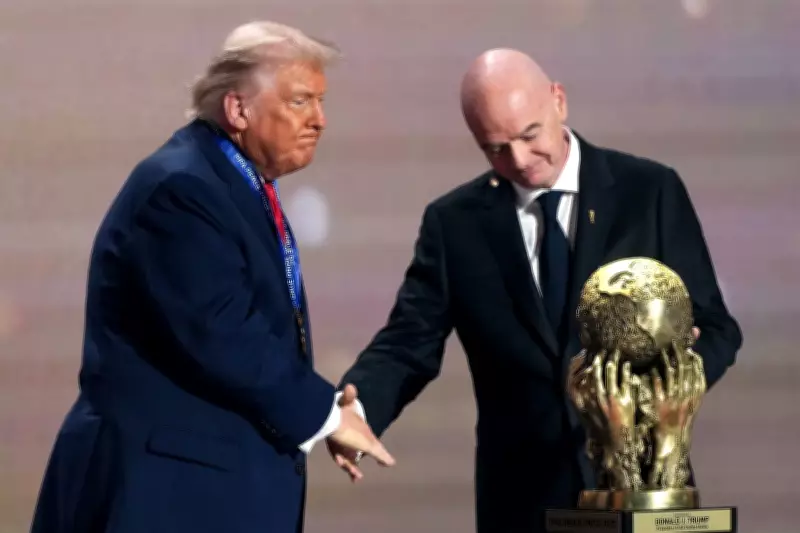
WADA Considers Controversial Rule to Bar Trump and U.S. Officials from Major Sporting Events
The World Anti-Doping Agency (WADA) is currently deliberating a proposed regulation that would prevent former U.S. President Donald Trump and other American officials from attending significant international sports competitions. This potential move has ignited a fierce debate regarding WADA's jurisdictional reach and the broader intersection of sports governance with global politics.
Examining the Proposed Ban and Its Legal Grounds
The rule under consideration aims to exclude individuals deemed to have violated international norms or disrupted the integrity of sports. Proponents argue it is a necessary measure to uphold the ethical standards of global athletics. However, legal experts are questioning whether WADA, as a non-governmental organization, possesses the enforceable authority to impose such travel or attendance restrictions on sovereign state officials.
Key questions center on the enforceability of such a ban. While WADA sets anti-doping rules for athletes and sporting bodies worldwide, its power to sanction government figures attending as spectators or dignitaries is untested and legally ambiguous. The agency's mandate primarily covers doping violations, not political conduct.

Potential Repercussions and International Response
If implemented, this rule could set a significant precedent, potentially leading to other international sports bodies attempting to exclude officials from nations involved in geopolitical disputes. The move is seen by some analysts as a reaction to specific U.S. policies or actions perceived as undermining international institutions.
The discussion comes amid a complex global sports landscape, with events like the FIFA World Cup serving as high-profile diplomatic stages. The scenario raises concerns about the politicization of sports and the challenges of maintaining a separation between athletic competition and international relations.
Stakeholders, including national Olympic committees and athlete representatives, are closely monitoring the deliberations. The outcome could influence how international sports organizations navigate relationships with member states and handle figures whose actions are controversial on the world stage.